A complete guide to understanding the cremation process
Key takeaways:
- Choosing cremation is a personal decision that offers flexibility when planning a meaningful farewell and ongoing remembrance.
- Every stage of the cremation process is carried out with care, dignity, and strict identification procedures to ensure your loved one is treated with respect.
- Understanding what happens before, during, and after cremation can help provide reassurance and peace of mind during a difficult time.
- Following cremation, families have time to consider the memorial option that feels right for them, whether that is keeping ashes close, creating a memorial, or choosing a place of permanent remembrance.
- Support is available throughout the journey, helping families make informed decisions that honour their loved one's life and legacy.
Deciding on cremation or burial
Choosing how to say goodbye is a deeply personal decision. Many families now select cremation for its flexibility and simplicity. Understanding the cremation process can help demystify the experience and provide peace of mind. This guide explains each step, from preparation to the collection of ashes, ensuring you feel supported throughout.
The first step for many is weighing the benefits of a cremation or a burial. While burial provides a traditional focal point, cremation allows for more versatile memorial options. At SMCT, we offer comprehensive crematorium services in Melbourne at our world-class Springvale Botanical Cemetery and Bunurong Memorial Park locations, designed to honour these choices with dignity.
How are bodies prepared for cremation?
Many families ask about the preparation process to ensure their loved one is treated with the utmost respect. This process follows strict regulatory standards and professional care across all our Melbourne sites.
- Medical devices: Items like pacemakers must be removed as they can react dangerously to high temperatures.
- Identification: A heat-resistant metal tag is assigned at the start. This stays with your loved one through every stage to ensure the remains returned to you are definitely theirs.
- The Coffin: The deceased is placed in a combustible coffin, ensuring they are never handled directly during the transition.
What happens during cremation?
The cremation itself is a carefully controlled process, using heat to gently reduce the body to its basic elements.
- The Chamber: The coffin is placed into a specially designed, lined chamber.
- The Process: Temperatures between 800°C and 1000°C facilitate the transformation. Only one person is cremated at a time to maintain the integrity of the remains.
- Cooling and Preparation: After heating, a cooling period is required before remains are gathered. Once cooled, a magnetic field removes non-combustible items like coffin staples.
- Final Processing: Remaining elements are processed into a fine, uniform consistency suitable for a vessel or scattering.

How long does cremation take?
While the transformation itself generally takes between 90 minutes and three hours, the exact duration depends on the individual and the specific materials used in the coffin's construction.
Beyond the heating phase, additional time is required for the remains to cool naturally and for the final meticulous processing. This ensures that every stage is handled with the precision and care your loved one deserves.
Post-cremation and memorialisation
Once the cremation has taken place, your loved one's ashes are carefully placed into a temporary container ready for collection. Many families choose to create a permanent place of remembrance, providing somewhere meaningful to visit, reflect and stay connected to the memories of a loved one.
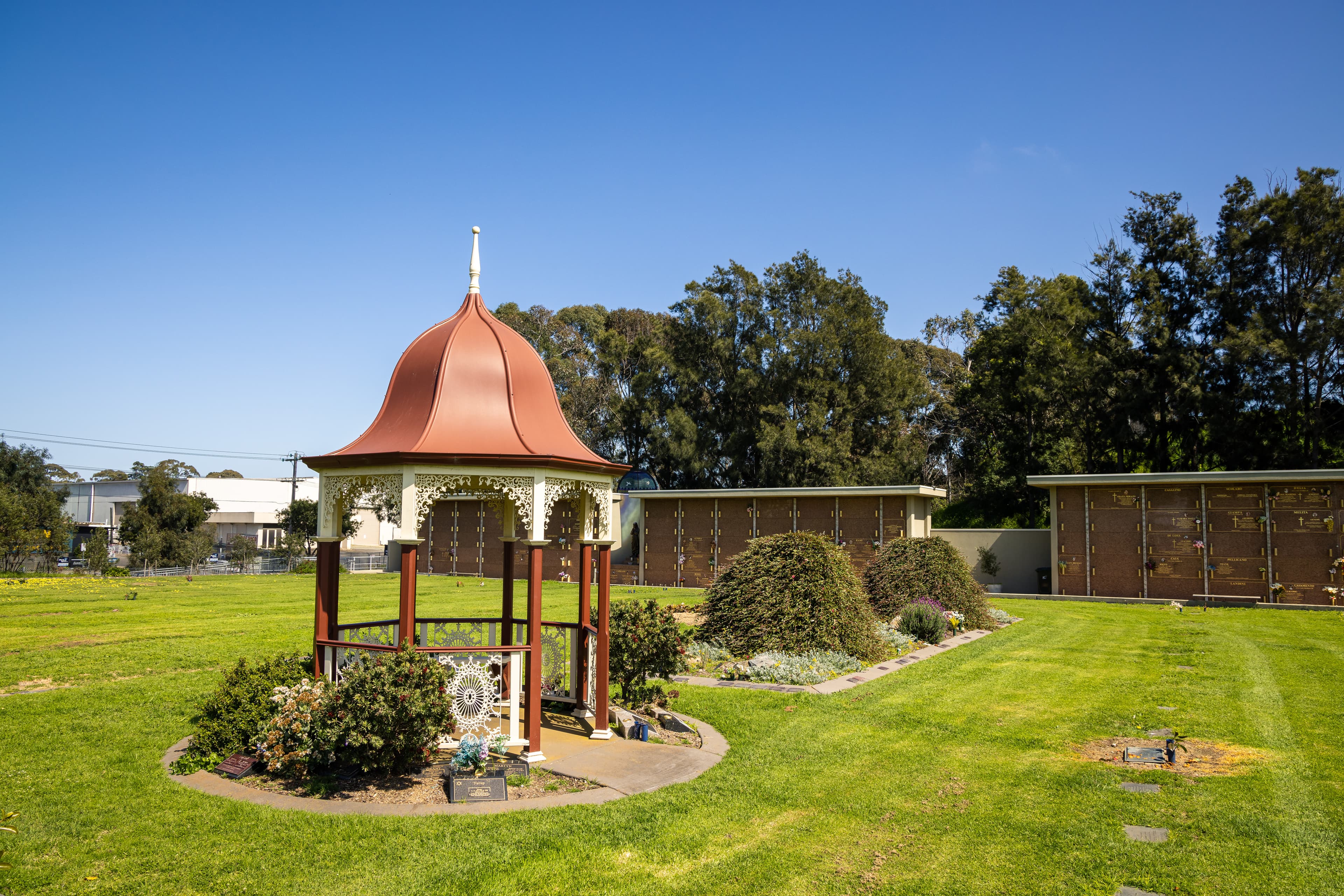
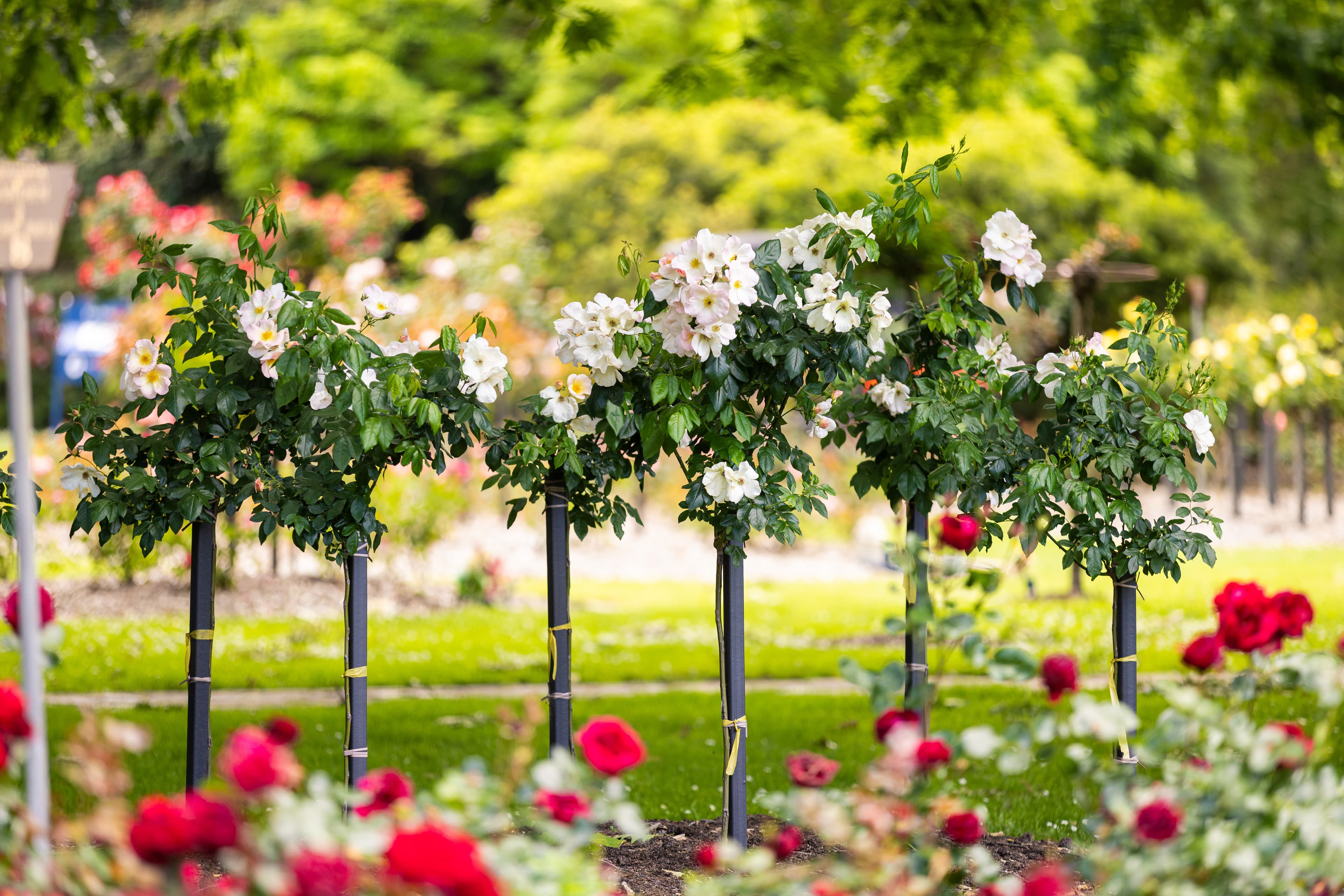
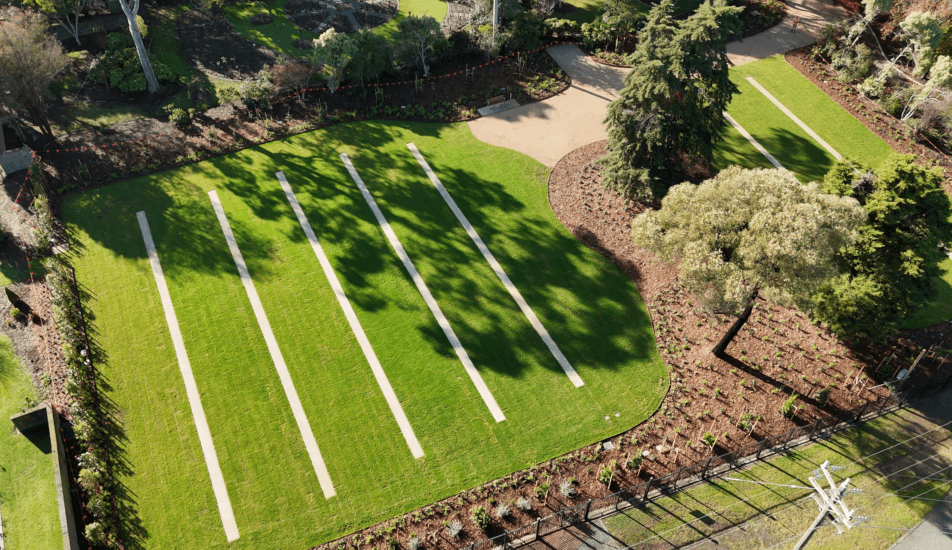
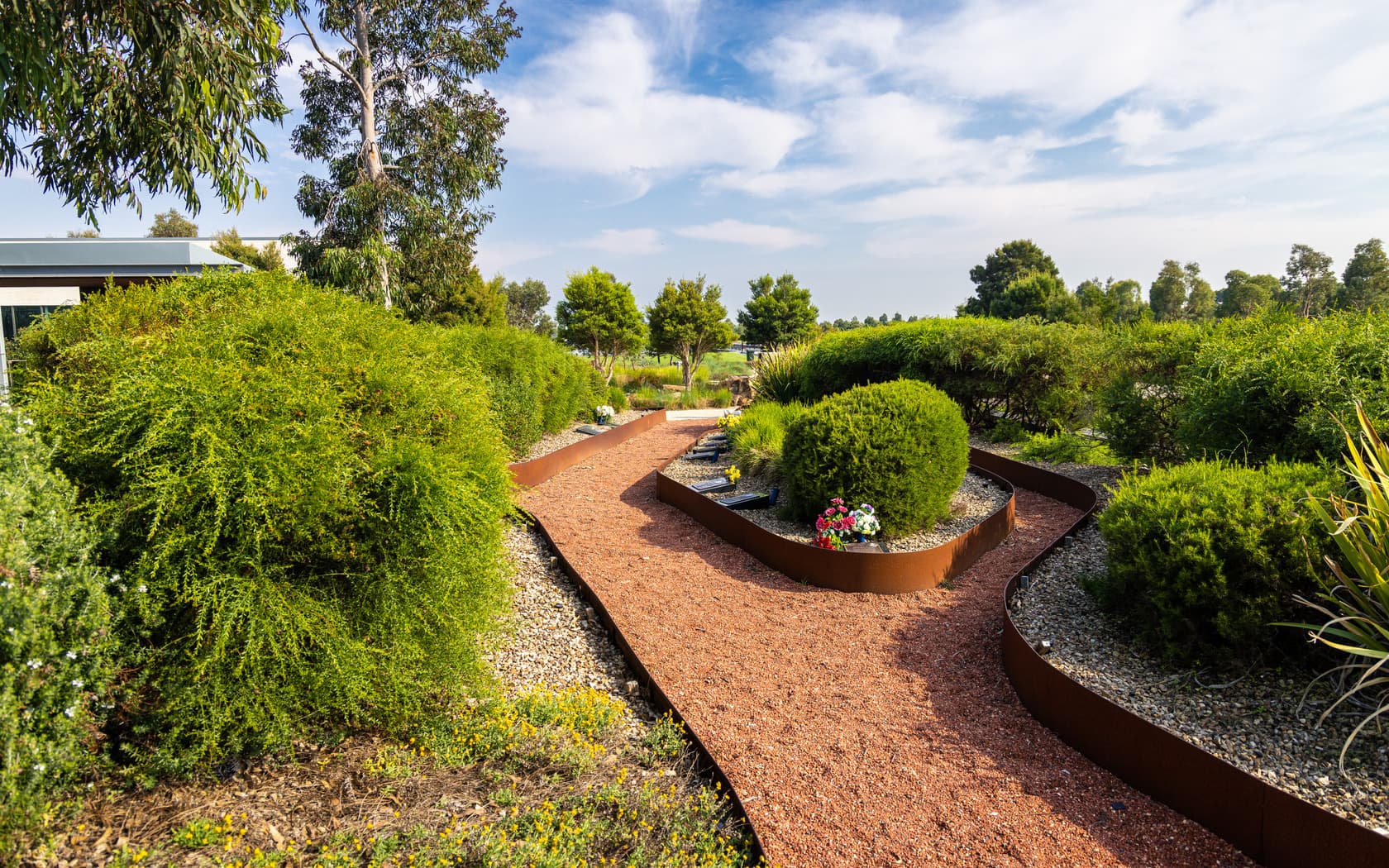
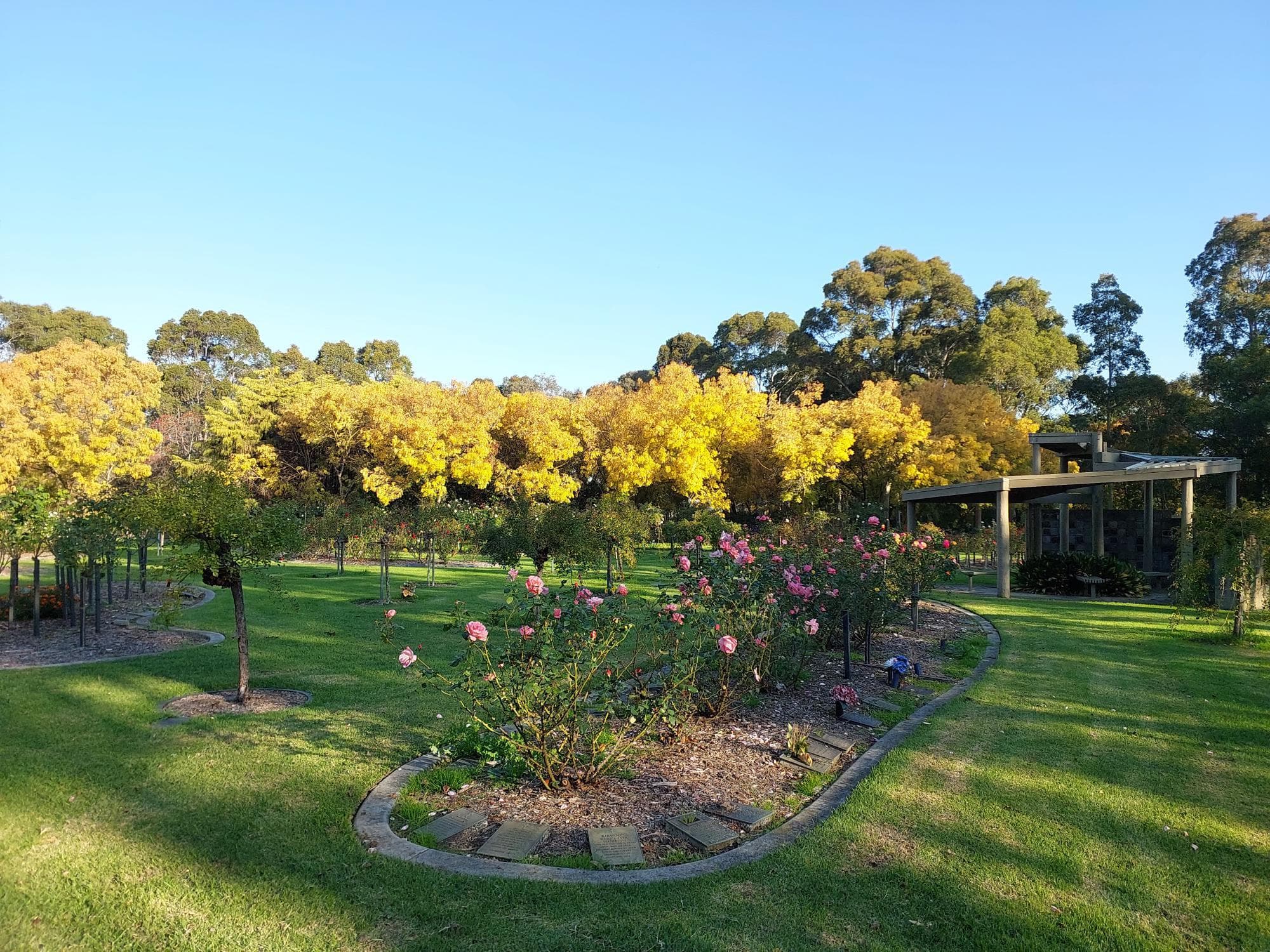
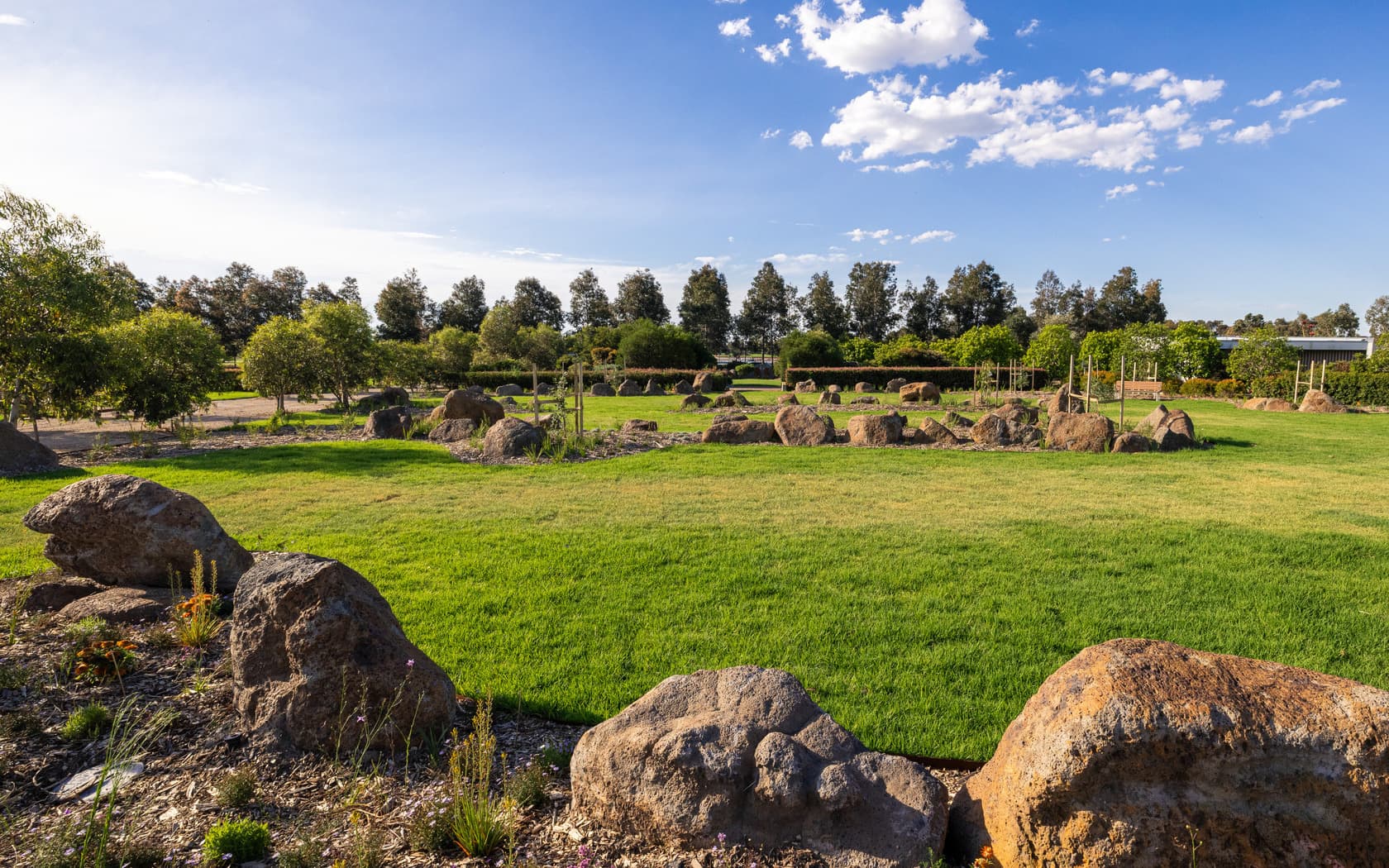
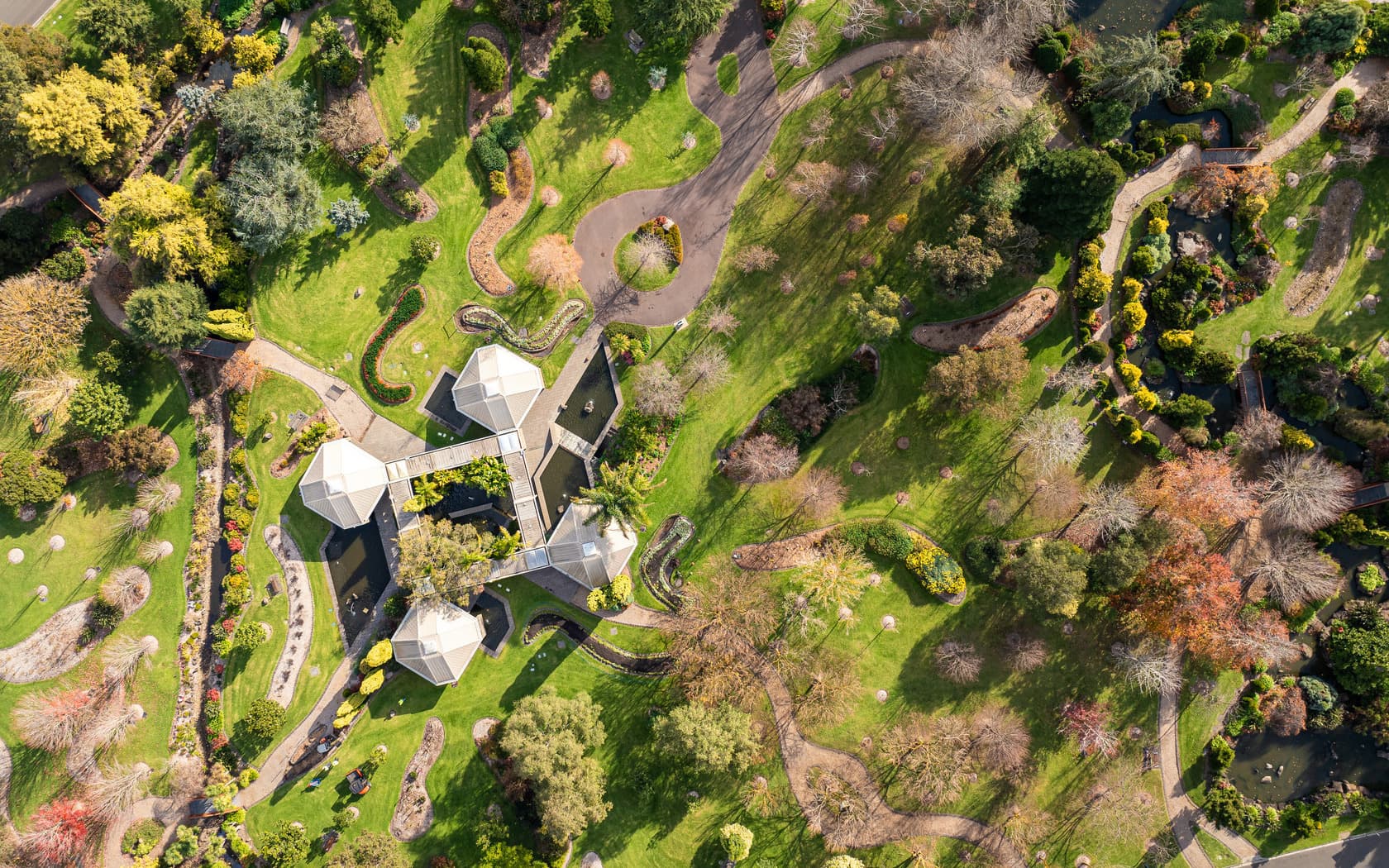
At Springvale Botanical Cemetery and Bunurong Memorial Park, ashes can be placed within a range of memorial locations set amongst beautiful gardens, rose-lined pathways and native landscapes. These dedicated spaces offer families a lasting tribute in peaceful surroundings that can be visited for years to come.
Whether you are looking for a private place for quiet reflection, a memorial site for future generations to gather, or a location that reflects your loved one's personality and values, our team can help you explore the options available and find a memorial that feels right for your family.
If you would like to keep or share ashes, we also offer a range of cremation urns and keepsakes. Please note we have specific requirements regarding external urns, so it is best to speak with our team when considering your cremation options.
We view our cemeteries as expansive botanical parklands designed for the living to celebrate and honour life. These vibrant green spaces invite families to linger and connect, supported by amenities like on-site cafes, florists, and playgrounds. Whether you are using our function rooms for a memorial or walking through the gardens, these parks provide a welcoming community setting to cherish memories together.
Meaningful ways to remember
One of the greatest benefits of this choice is the time it gives families to consider their next steps without the pressure of immediate deadlines. Because the remains are portable, you have the flexibility to wait weeks or even months to decide on the right tribute.
If you are looking for specific inspiration, you can explore our 5 cremation ideas for ashes to find a tribute that resonates with your family. These options include:
- Tailored Memorials: Holding a personalised service in a meaningful location long after the cremation has occurred.
- Living Legacies: Placing remains within a rose garden or at the base of a memorial tree to create a vibrant, growing reminder.
- Permanent Placement: Establishing a physical place of rest our 11 locations.
- Scattering and Keepsakes: Returning remains to a beloved coastline or keeping a small portion close to home in memorial jewellery.
Reflecting on your choice
Deciding on the right tribute is a significant step in the healing journey. Whether you are planning for the future or need immediate assistance, our team is here to provide the guidance and care you deserve.
Contact our team today to discuss our memorial options for all cemeteries.
Frequently asked questions
Recommended articles
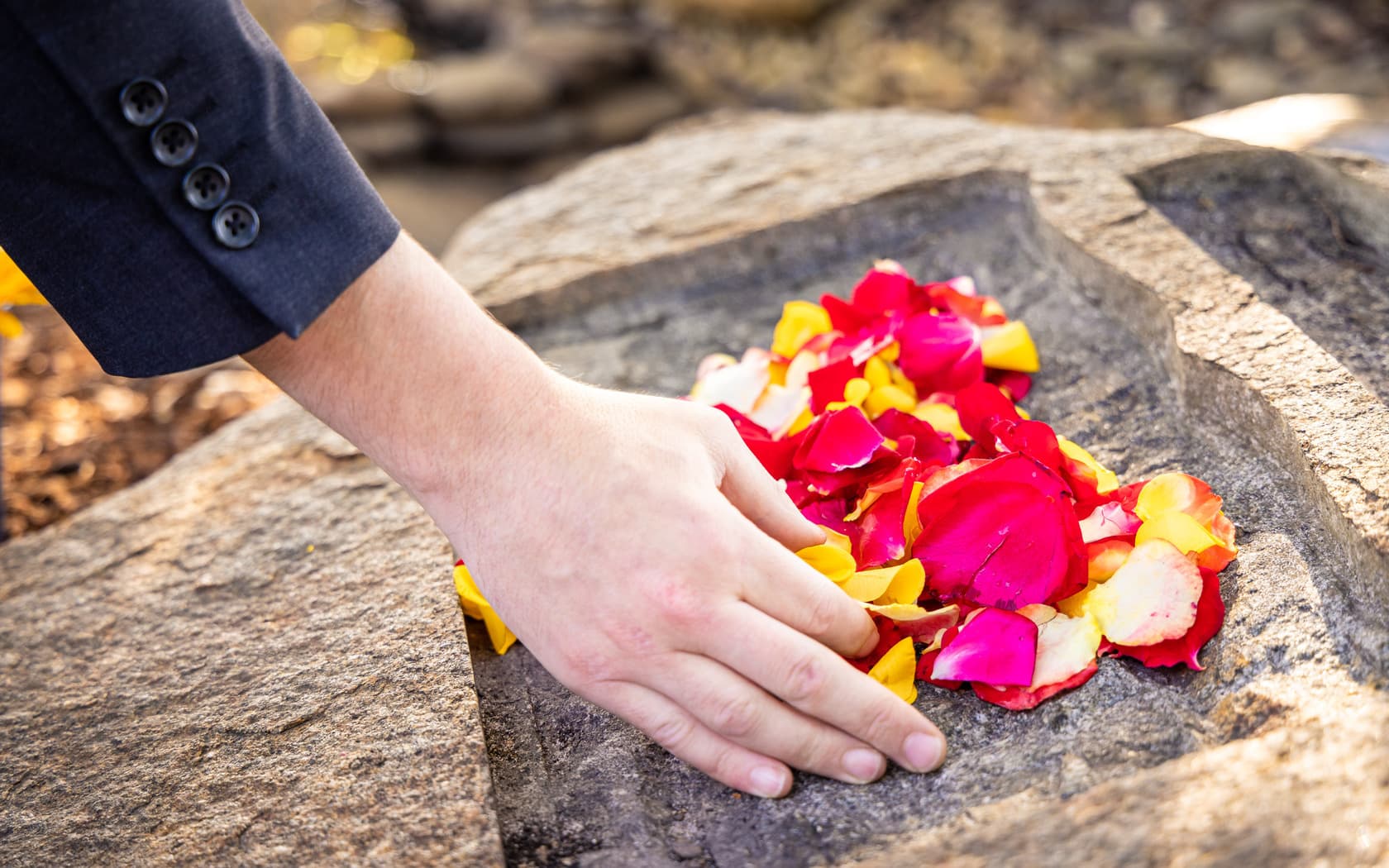
Five meaningful cremation ideas for ashes
As part of the process, you should also consider what your loved one would have liked you to do with their ashes, as there are quite a few options to consider.
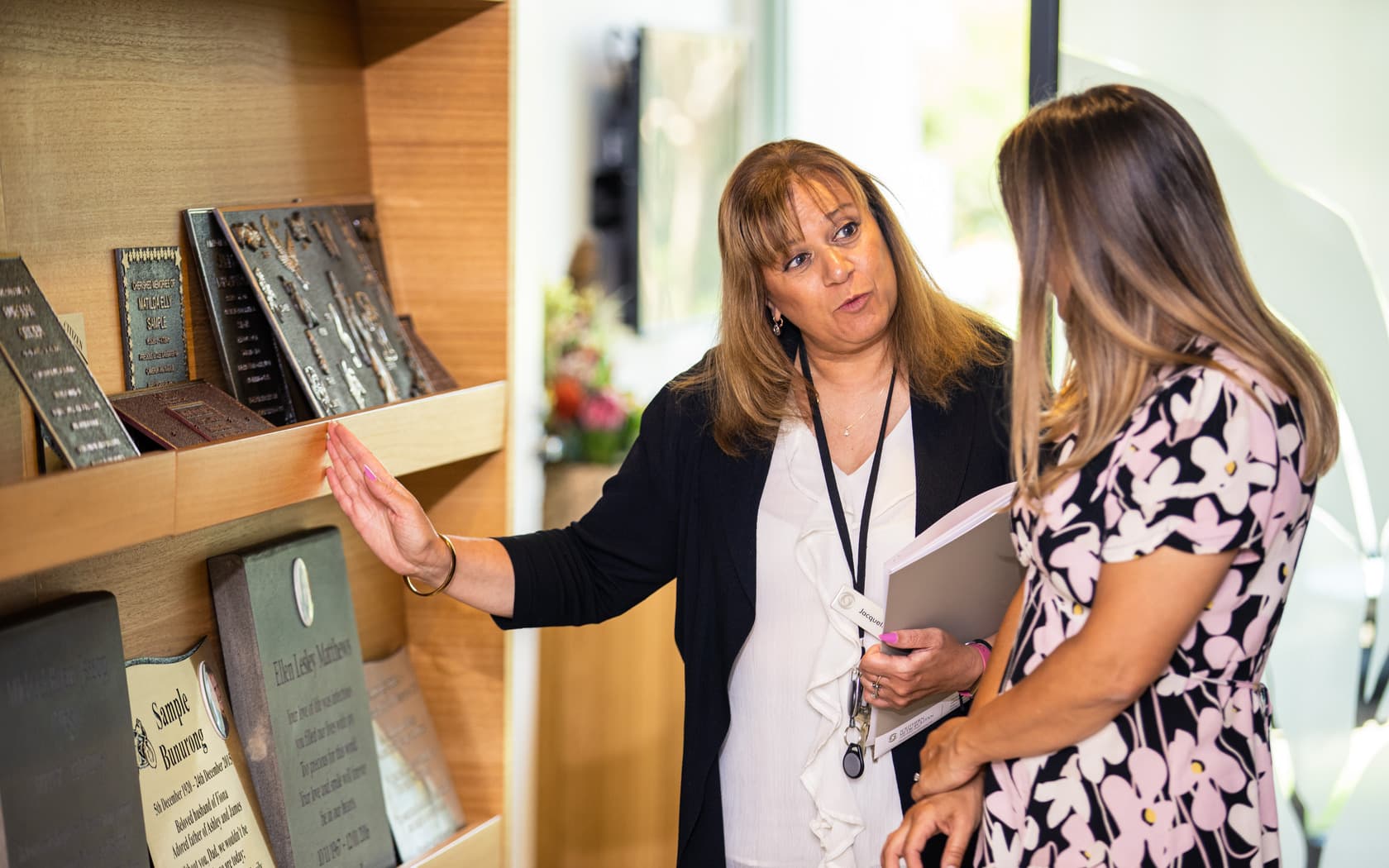
How to create the perfect memorial plaque
Discover how to create a meaningful and lasting memorial plaque with this step-by-step guide. Learn about messages, design tips, and trusted resources from SMCT.
A guide to scattering and spreading ashes in Victoria
Learn the legalities and practical techniques for spreading ashes in Victoria, ensuring a respectful and dignified farewell for your loved one.