Environmental Responsibility and Sustainability
Sustainability
SMCT is passionately committed to sustainability. See how we respectfully integrate eco-friendly improvements across all areas of our operations.
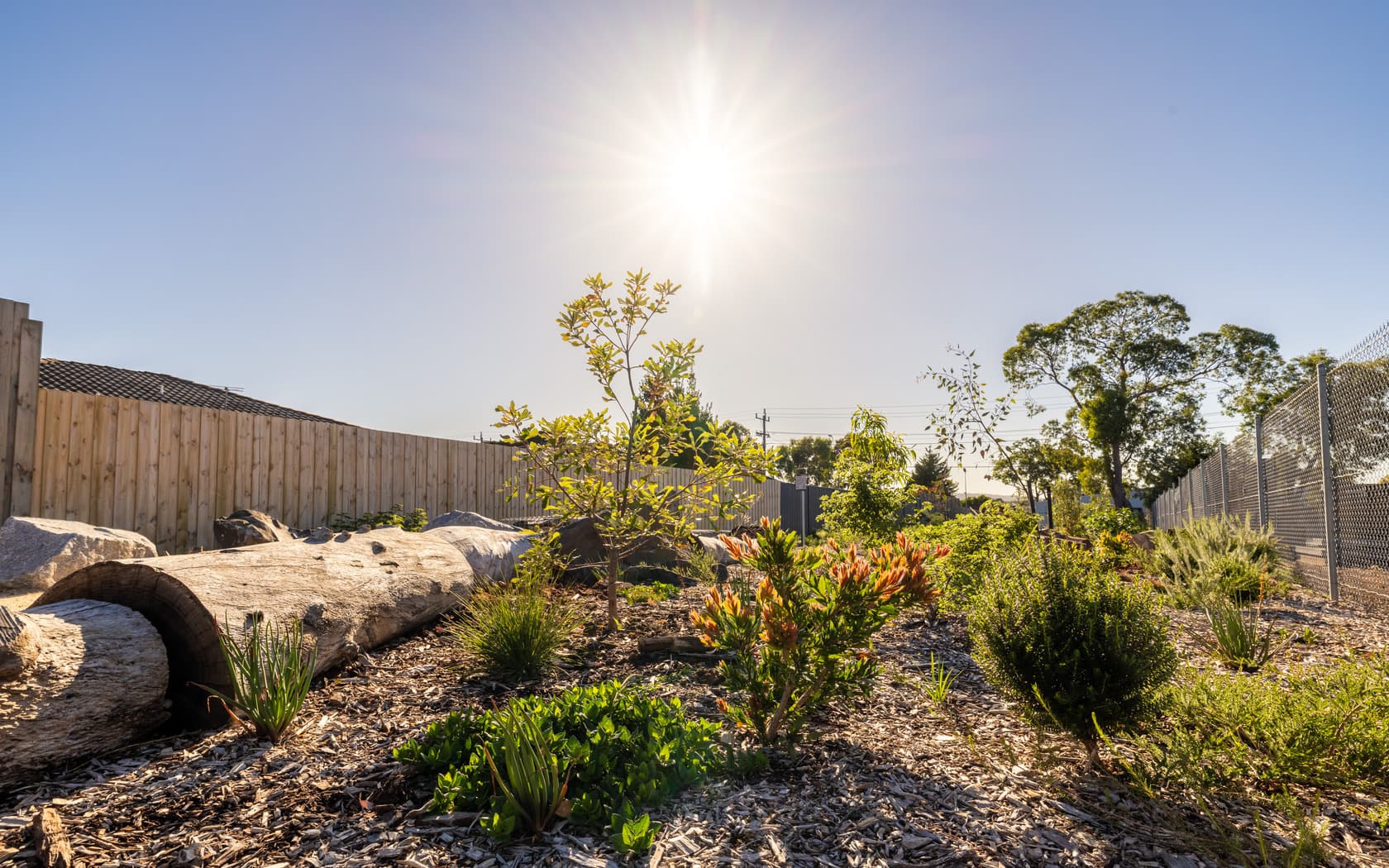
Environmental responsibilities
SMCT is committed to sustainability. We have extensive recycling, renewable and green technology programs in place, across the many sites we manage.
We actively foster a culture of sustainability and look for improvements across all areas of our operations. We regularly monitor our performance and adopt new technologies and processes to reduce our footprint.
SMCT views environmental responsibility as part of good governance, always seeking improvements for the long-term benefit of the communities we serve.
Environmental responsibilities
SMCT aims to:
- Provide ongoing education to encourage behavioural change
- Incorporate environmental objectives into our everyday practices
- Measure and report publicly on our environmental impact
- Demonstrate organisational leadership in the area of sustainability and environmental best practices.
SMCT Environmental Strategy 2026-2030
SMCT manages 374 hectares of public land and waterways across 11 cemeteries and memorial parks in metropolitan Melbourne and the Bass Coast. We hold a unique responsibility and commitment to protect and enhance these spaces for generations to come.
Our commitment to environmental sustainability has delivered exceptional results to date. In our inaugural Environmental Strategy 2022–25, SMCT exceeded all environmental targets, including a 55.2 per cent reduction in greenhouse gas emissions, 100 per cent renewable energy use, a 35.5 percent reduction in waste to landfill, and improved biodiversity across our sites. These results show that cemeteries can meet their perpetual care responsibilities while also leading in environmental performance. They are the product of teams working closely together with industry and community to innovate and collaborate in this space.
Building on strong foundational achievements and partnerships, our SMCT Environmental Strategy 2026-2030 reflects our ambition to go further, be smarter, and more deeply embed sustainability across our operations. Our approach aligns with Victorian Government targets, focusing on:
- Sustainable resource use – renewable energy, water conservation, and responsible procurement.
- Reducing emissions – continuing our progress to net zero.
- Waste reduction – Avoiding waste and maximising resource recovery.
- Climate resilience and biodiversity – restoring habitats and protecting ecosystems.
Download SMCT Environmental Strategy 2026-2030 6mb PDFExternal site
About waste management at SMCT
As part of our 2022–25 Environmental Strategy, SMCT aims to divert 25% of waste from landfill by 2025.
Our 2023 waste audits revealed that 38% of general waste was garden organics that could be recycled. SMCT trialed a successful two-bin system at Springvale Botanical Cemetery to separate garden organics from landfill waste. Visitors will now see red-lid bins for general waste and green-lid bins for organics across many sites.
Learn more about recycling and waste management on-site
Supporting biodiversity
Strengthening and supporting habitat for native biodiversity is a cornerstone of SMCT’s Environmental Strategy.
Through our award-winning Project Cultivate program – a long-term regeneration initiative for historic cemetery sites – SMCT has established hundreds of thousands of locally native (indigenous) plants throughout Melbourne General Cemetery (MGC) and St Kilda Cemetery (STK).
These indigenous plantings provide food, shelter and nesting opportunities for wildlife while strengthening ecological connections across the landscape.
Learn more about Project Cultivate
Through our Tap to Habitat initiative, SMCT has installed natural stone water bowls at selected locations within MGC, STK and Sorrento Community Cemetery.
The bowls capture fresh water and provide a safe, reliable drinking source for local wildlife – positioned strategically under existing taps to capture droplets and runoff. During warmer weather, access to clean water can be critical for many species, and even a simple water source can make a meaningful difference.
The addition of water bowls is a natural extension of the Project Cultivate work, supplying another essential resource for the creatures that live in, forage through, or visit these increasingly biodiverse environments.
Recommended
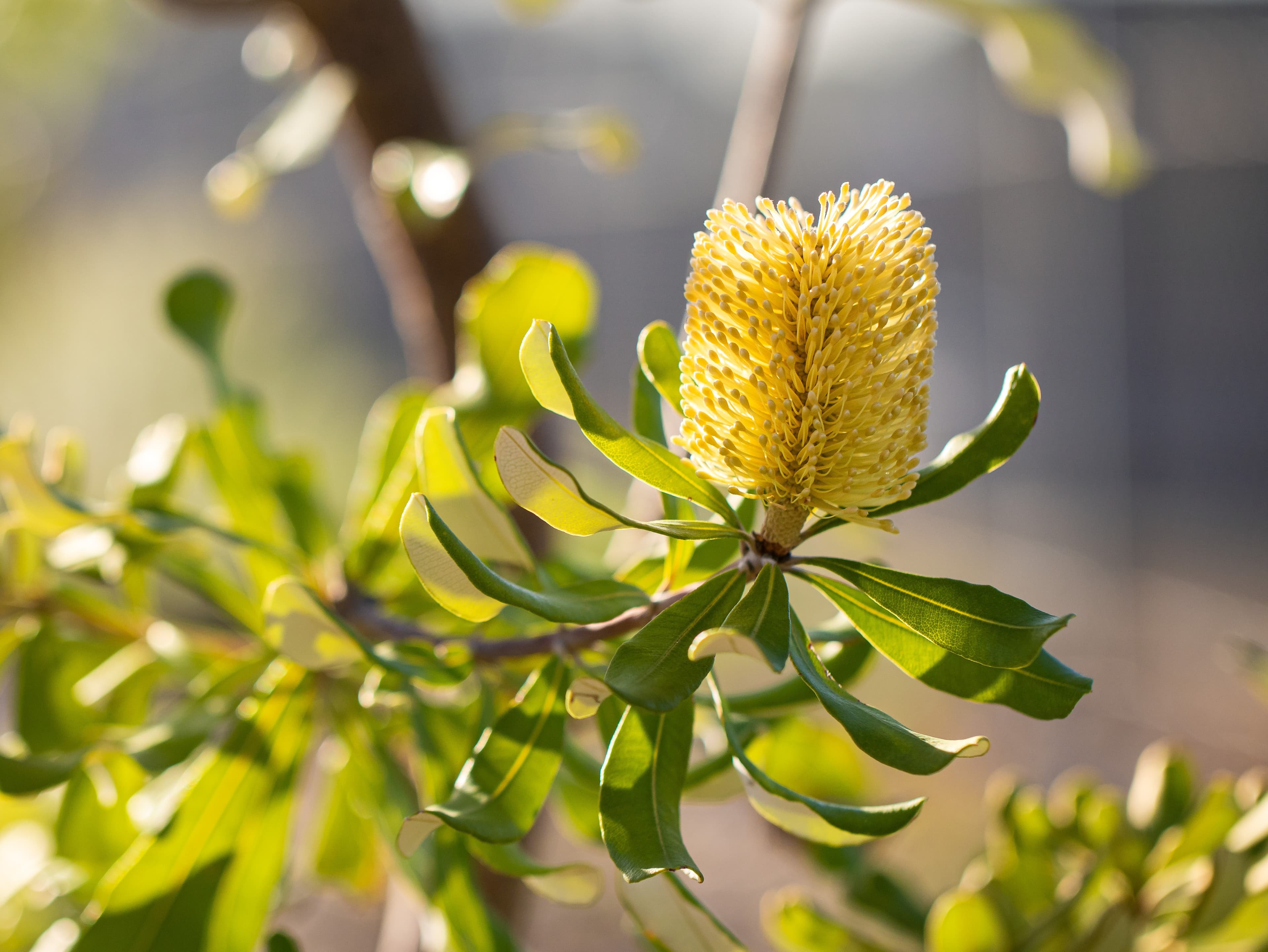
How SMCT turned cemeteries into role models for environmental sustainability
- 4 June 2026
Over the past three years, we have worked towards a deliberate long-term shift to embed environmental sustainability as a core organisational priority. We aim for our contribution to be part of a stronger focus on sustainability across the sector.
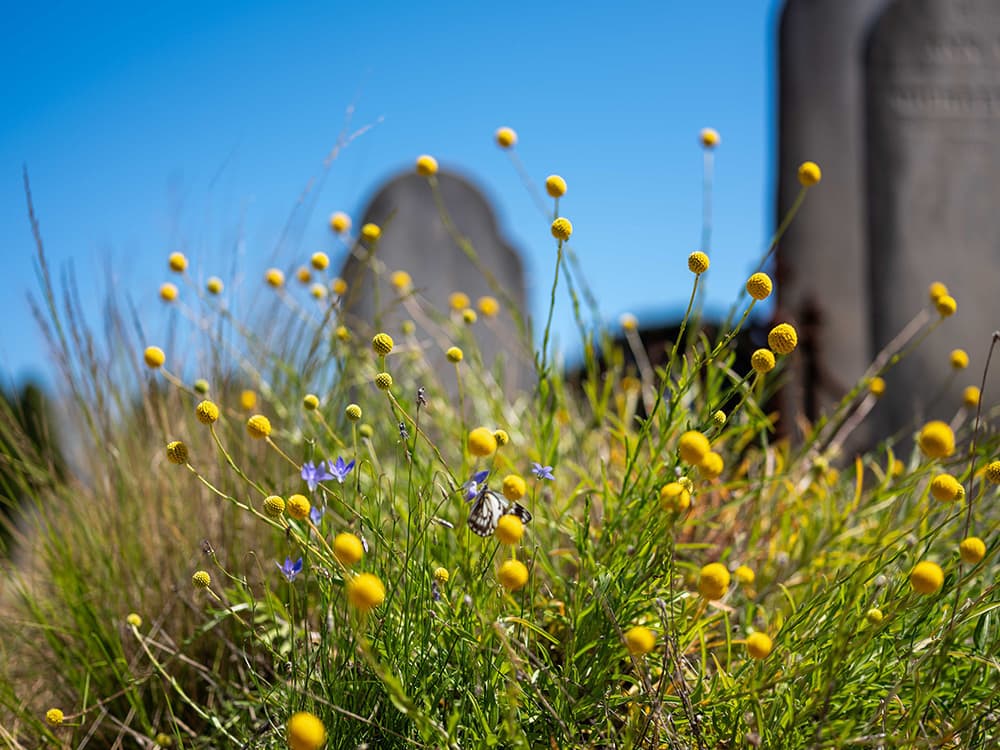
Project Cultivate: Supporting a more sustainable cemetery
- 5 January 2026
SMCT is bringing Project Cultivate, to the City of Port Phillip, with the iconic St Kilda Cemetery soon to benefit from the introduction of locally native plants and wildflowers.
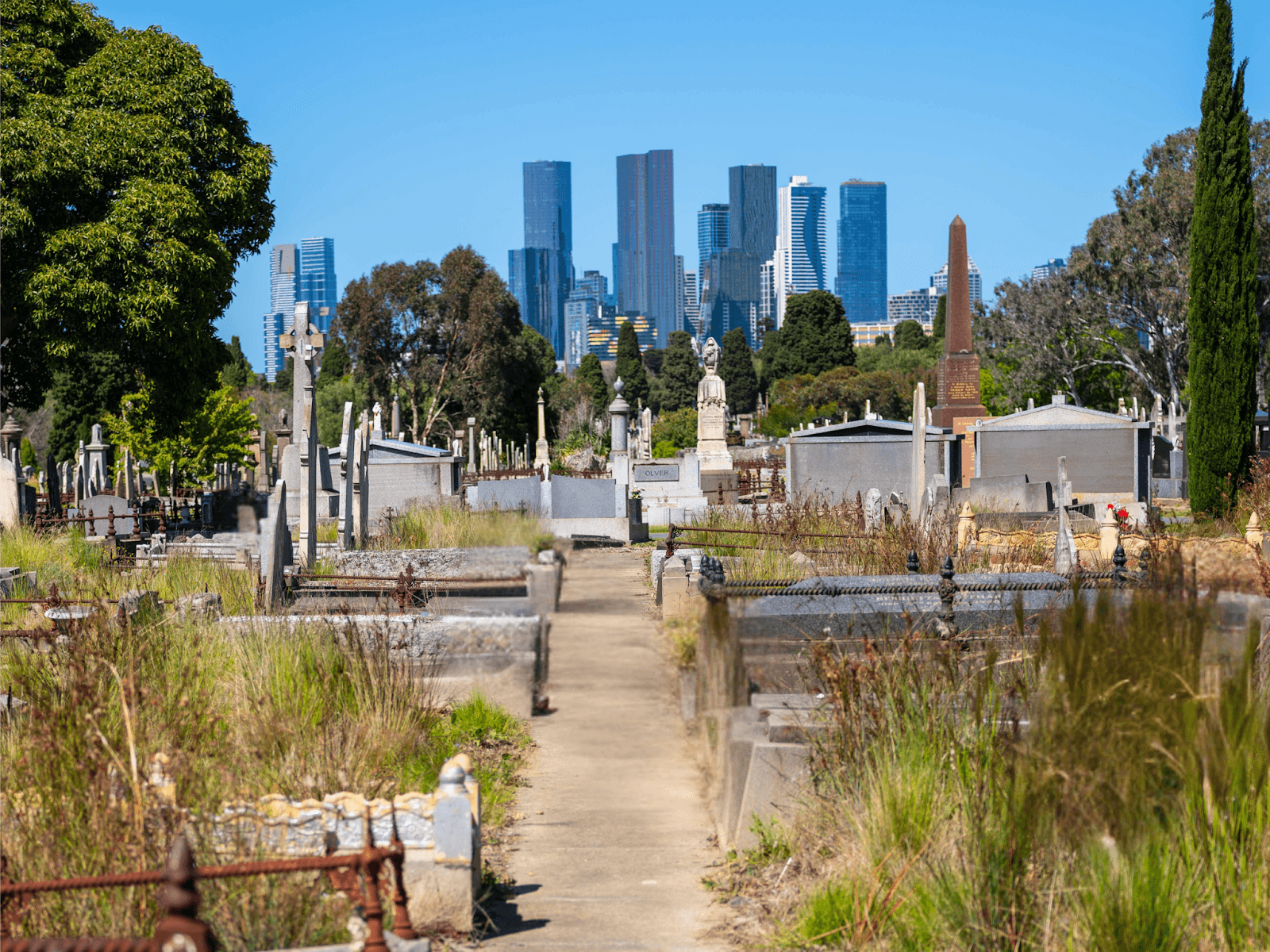
Award-winning Project Cultivate levels up with City of Melbourne partnership
- 11 February 2025
The Southern Metropolitan Cemeteries Trust (SMCT) is excited to announce our partnership with the City of Melbourne to deliver the final phase of Project Cultivate. The funding will help complete our successful initiative to enhance and restore a more biodiverse, natural and sustainable environment at Melbourne General Cemetery (MGC).
- Project