Project Cultivate: Supporting a more sustainable cemetery
- 5 January 2026
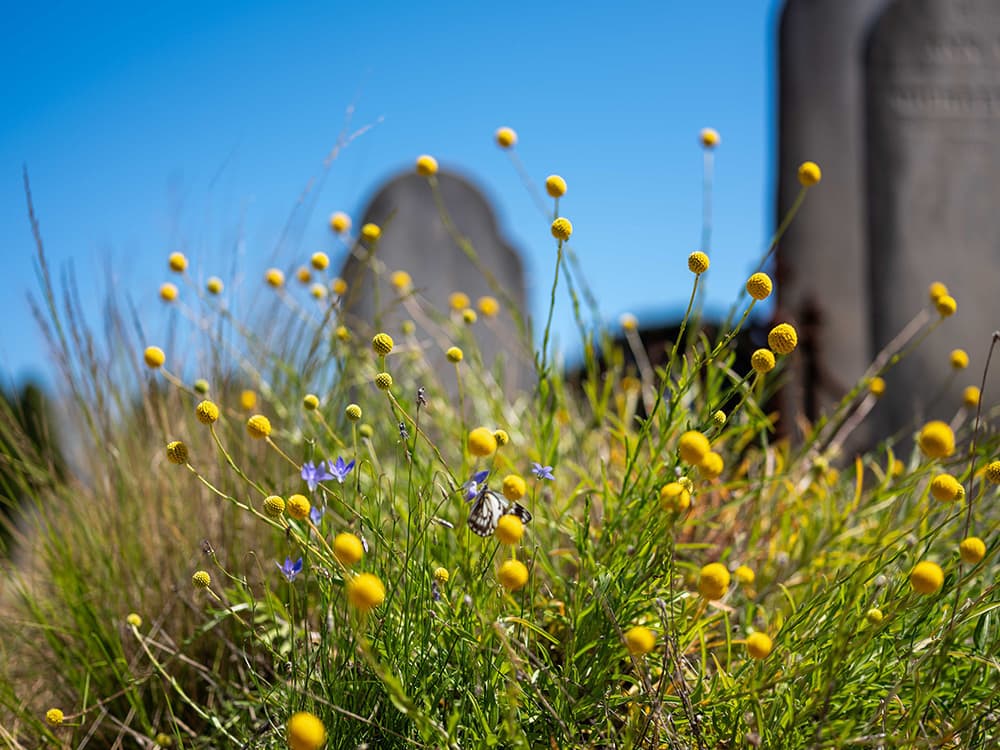
Project Cultivate
The following article was prepared by SMCT Horticultural Assets Manager Helen Tuton for the Friends of St Kilda Cemetery newsletter (December 2025 edition) and republished with permission.
-----------------------------------
The Southern Metropolitan Cemeteries Trust (SMCT) is bringing its award-winning horticultural program, Project Cultivate, to the City of Port Phillip, with the iconic St Kilda Cemetery soon to benefit from the introduction of locally native plants and wildflowers.
Project Cultivate aims to enhance and revitalise the natural landscapes of SMCT’s historical cemetery sites, complementing surrounding monuments and pathways while honouring the history and heritage of these special places for families and visitors.
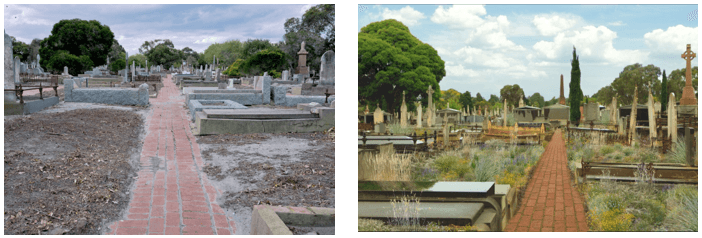
The plants are mostly grown on earth-covered unmarked graves where herbicide reliance and/or growth of invasive spreading plants have created a haven for weeds and robbed the site of much of its potential over time.
A distinctly Australian solution
This was the situation at Melbourne General Cemetery, where traditional approaches to horticultural management in older areas had eroded soil nutrition to the extent even weeds dreaded to grow. Mowing was not an option, and a lack of onsite irrigation meant an innovative approach to planting was needed - and the idea of Project Cultivate started to germinate.
Locally native plants - those best adapted to the harsh conditions caused by the area’s climate and years of cemetery soil compaction - would be reintroduced. Following a successful pilot in 2023, the program now covers 56 acres, or 52% of the entire site, with over 500,000 plants representing more than 30 Indigenous varieties.
The process begins with weed removal and the application of organic mulch to improve soil health. Plant selection is guided by consultation with Traditional Custodians, ensuring suitability for local conditions and community amenity.
Self-sustaining and visually striking, native grasses, wildflowers, and ground covers have revitalised the space for flora, fauna, and future generations, into perpetuity.
Bountiful benefits
At Melbourne General Cemetery, the benefits are clear. Native grasses now shade monuments, paths, and soil, cooling the site and attracting wildlife not seen in the area for over a century. Sightings include Tawny Frogmouths, Blue-tongue Lizards, native bees, and Sacred Kingfishers.
Herbicide use has dropped by 97%, and improved soil structure now prevents waterlogging. The site is healthier for both wildlife and the local community.
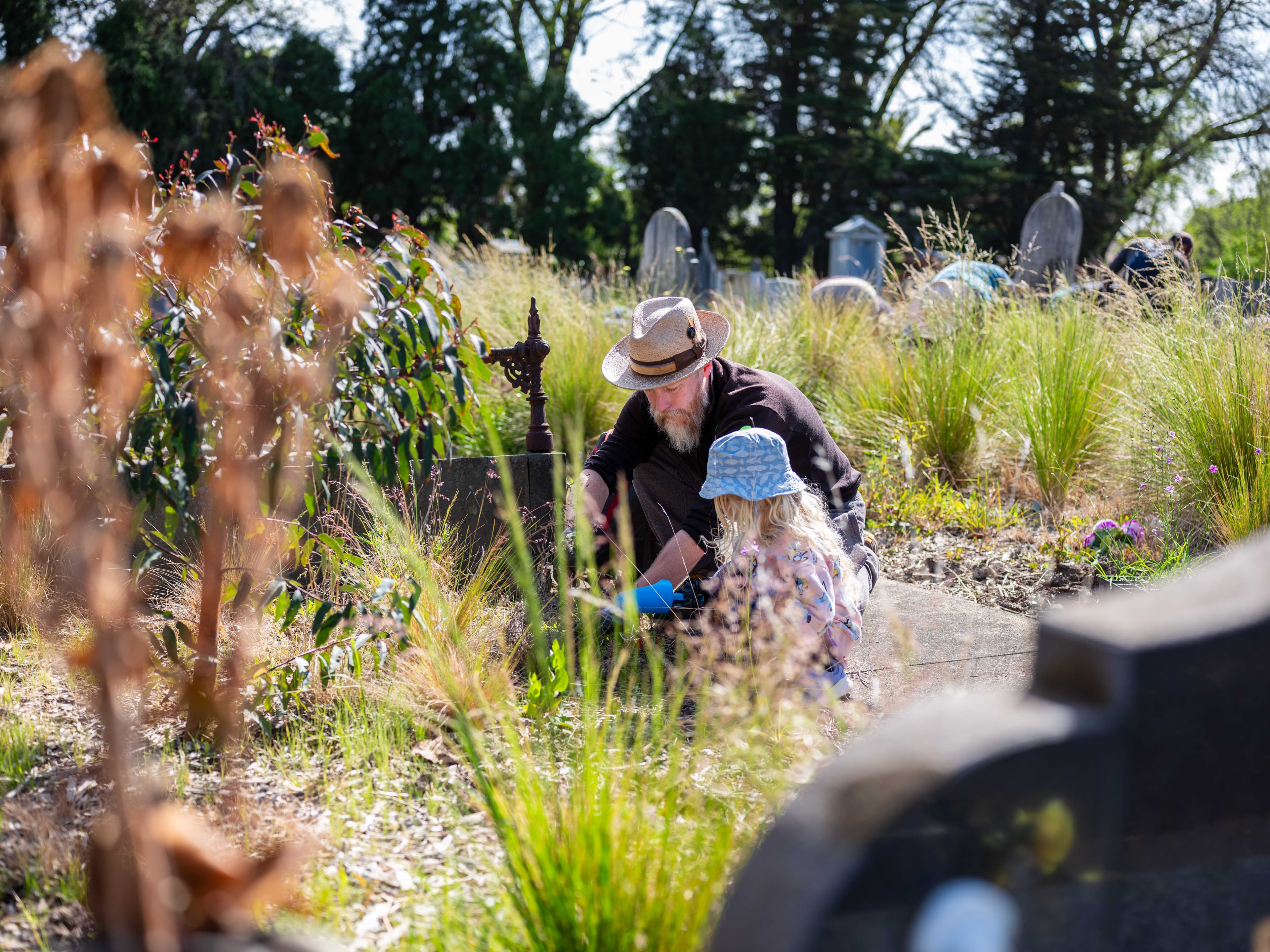
Citizen science activities and planting days with schools and community groups foster learning about native flora and fauna. Collaboration with the Wurundjeri Woi-wurrung Land Council brings First Nations knowledge to the forefront.
Honouring history and heritage
At just 18 acres - about 1.5 footy ovals - St Kilda Cemetery is a smaller site with unique challenges. Currently, only 1 acre is cultivated. While traditional plants like roses still have a place and will remain, others - like Gazania, introduced in the 1980s - are now classified as environmental weeds. Hand-removal of Gazania is currently underway, with mulching scheduled for late 2025 to early 2026 to prepare the soil for planting.
Project Cultivate will reintroduce species that once thrived here, helping to recreate some of Victoria’s most threatened ecosystems. Species selected are found in both EVC 175 Grassy Woodland and EVC 48 Heathy Woodland, which are present across the site and surrounding areas within the City of Port Phillip. Some of our featured plantings will include Kangaroo Grass (Themeda triandra), Native Flax (Linum marginale), Chocolate Lily (Arthropodium strictum), Grey Parrot Pea (Dillwynia cinerascens), plus a stunning array of other lilies, grasses, groundcovers, and small to medium shrubs.
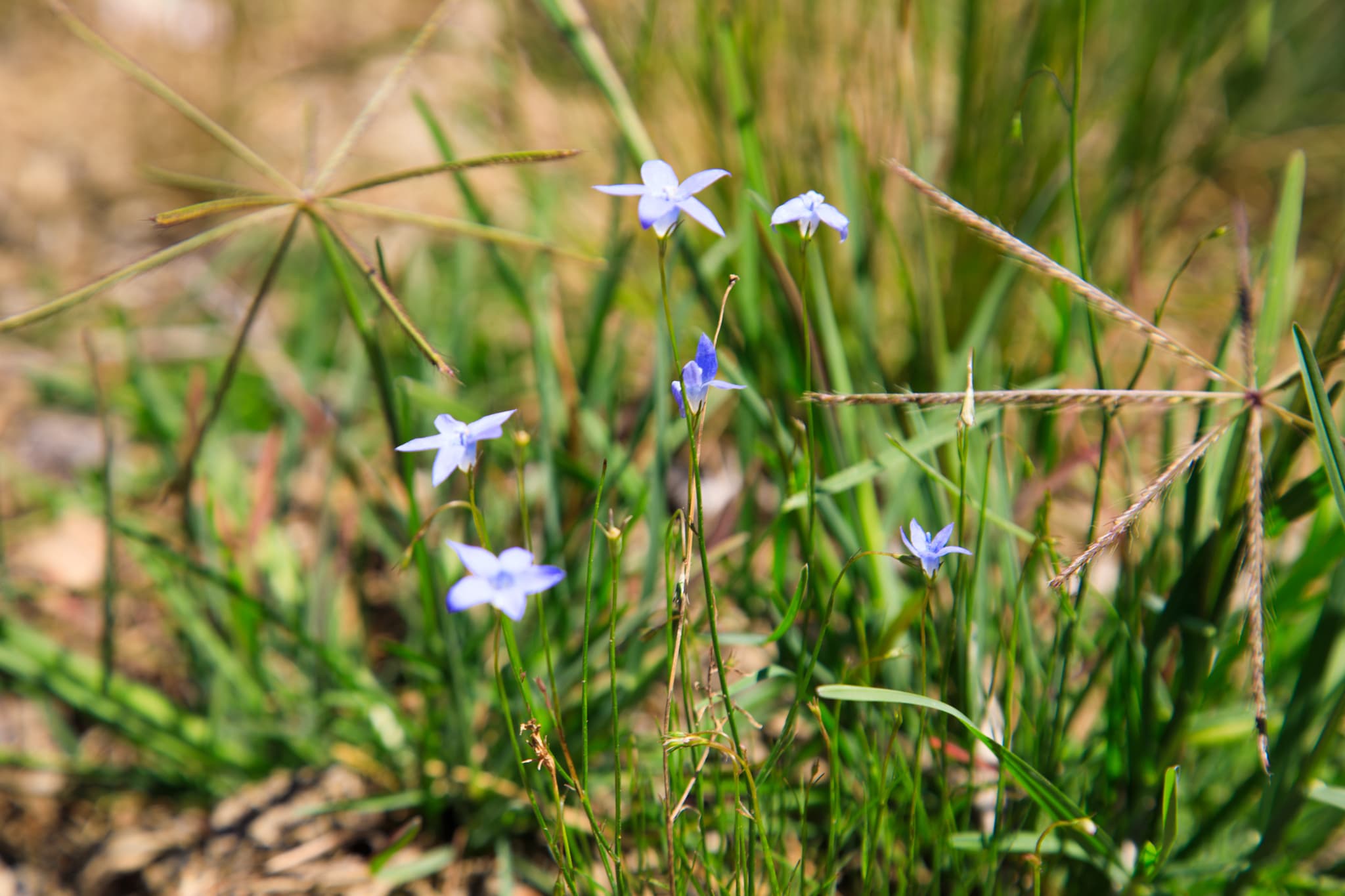
SMCT is working with the Bunurong Land Council to trial Indigenous plant species suited to various conditions, from shade lovers to climbers and wildflowers. At least 30 Indigenous species will soon call St Kilda Cemetery home, and our plant selection ensures year-round interest, with different colours and plant types showcased and highlighted throughout the year. Each season will bring something different, which will be a wonderful thing for visitors to this special site.
Community members are invited to participate through planting days, citizen science, and other learning opportunities.
Visit engagewith.smct.org.au/cultivate-stk for upcoming activities, or follow the SMCT St Kilda Cemetery Facebook pageExternal site for updates.
Contact the Friends of St Kilda Cemetery via email on info@foskc.org
Recommended articles
Award-winning Project Cultivate levels up with City of Melbourne partnership
- 11 February 2025
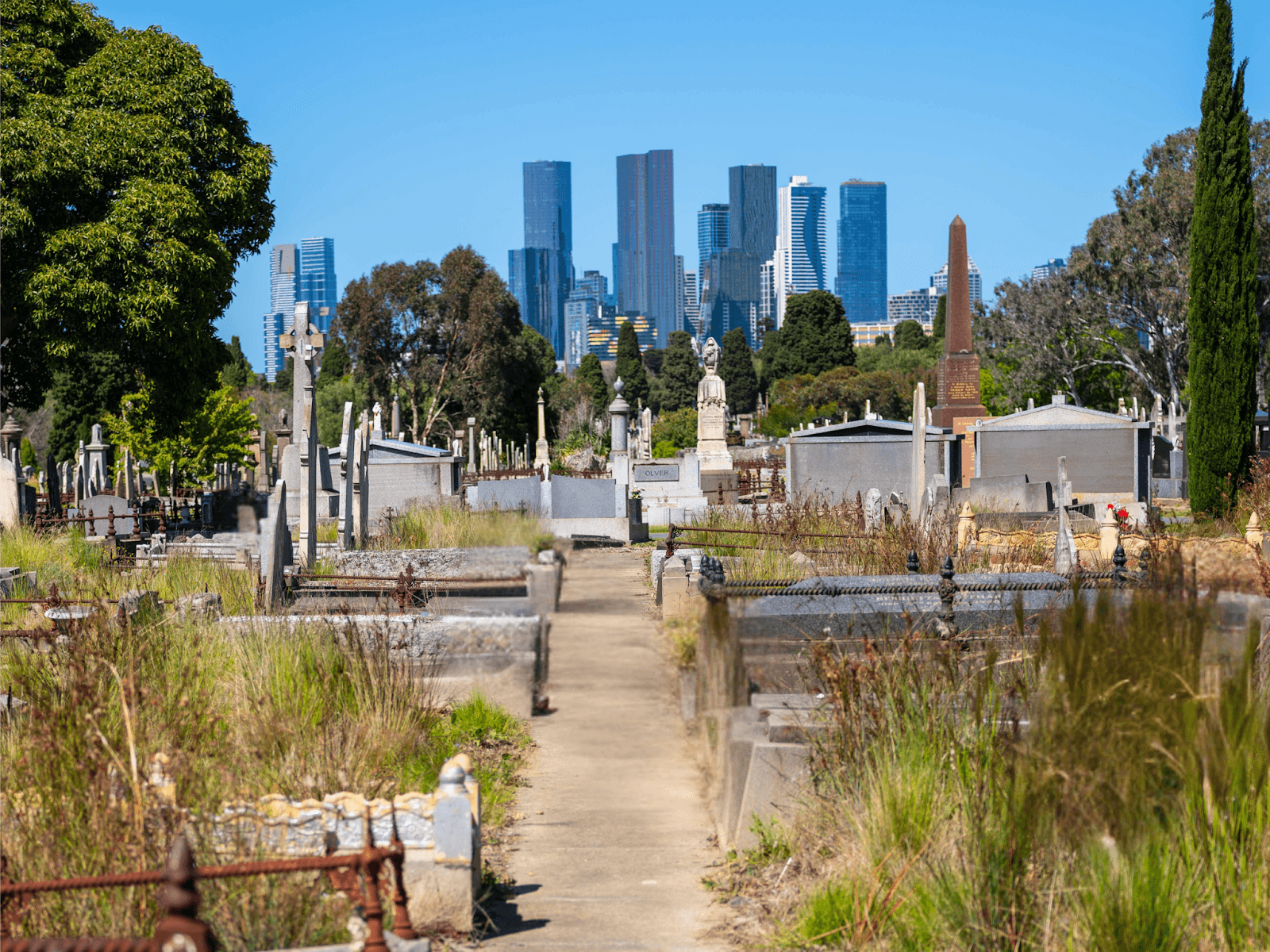
The Southern Metropolitan Cemeteries Trust (SMCT) is excited to announce our partnership with the City of Melbourne to deliver the final phase of Project Cultivate. The funding will help complete our successful initiative to enhance and restore a more biodiverse, natural and sustainable environment at Melbourne General Cemetery (MGC).
- Project
Project Cultivate: Behind the Scenes
- 2 January 2023
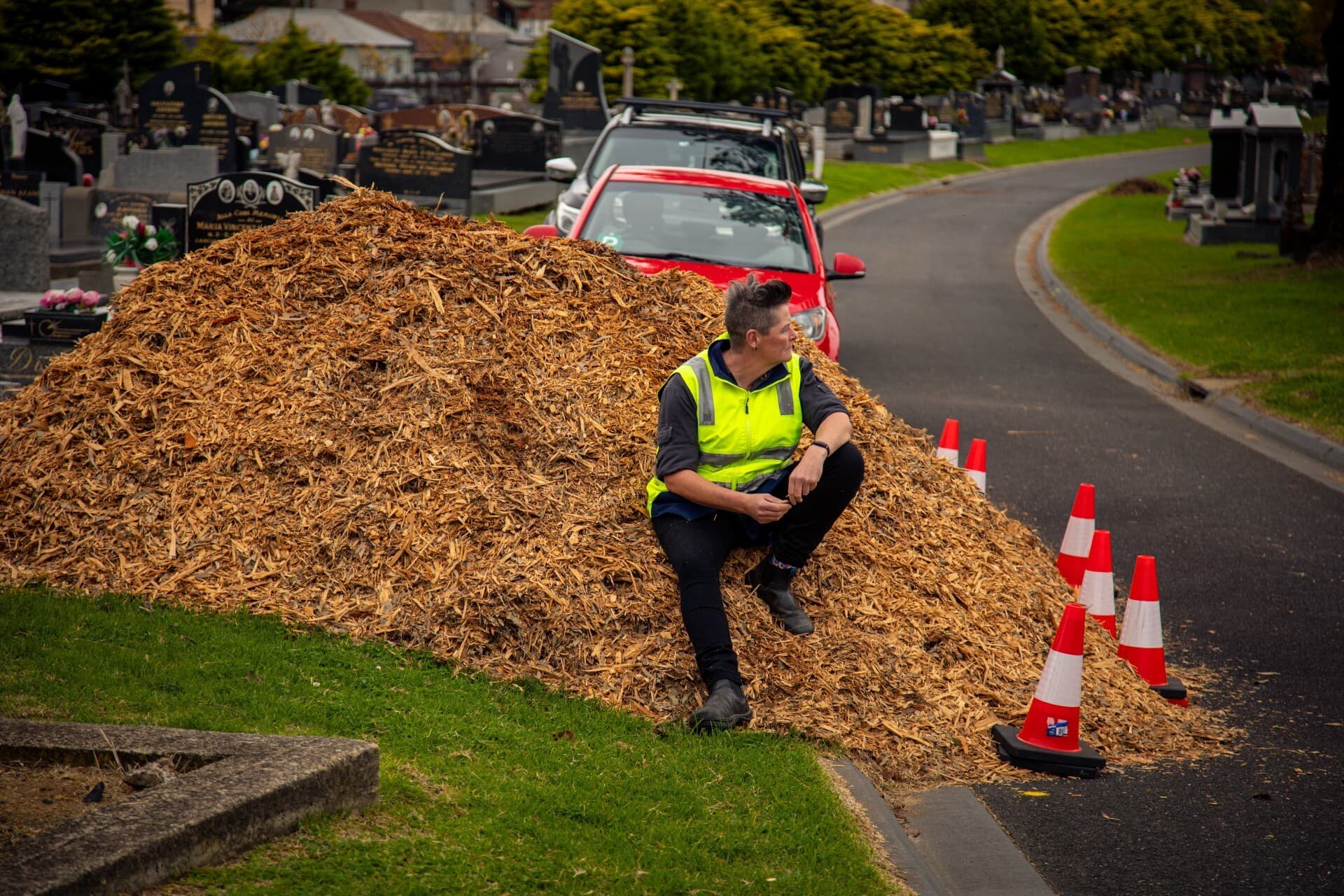
We sat down with Horticulture Assets Manager Helen Tuton, who works closely on the pilot project at Melbourne General Cemetery, to talk all things Project Cultivate.
- Project
Meet the plants of Project Cultivate
- 11 January 2024
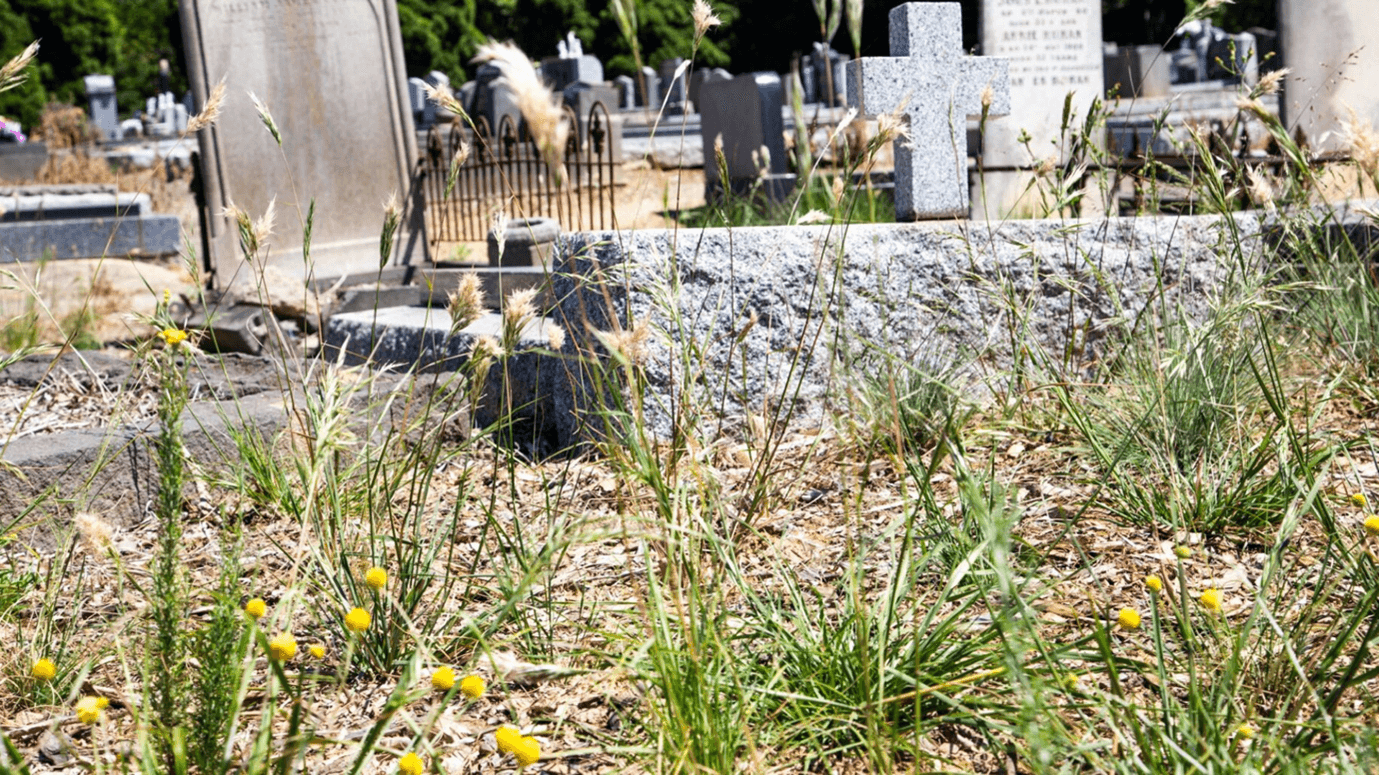
Since March 2023, the Project Cultivate team has been working to convert significant areas of barren, compacted clay soil across Melbourne General Cemetery (MGC) into a flourishing green space by laying mulch and planting more than 120,000 indigenous plants.
- Project