Tap to Habitat: Supporting biodiversity across our cemeteries
About Tap to Habitat
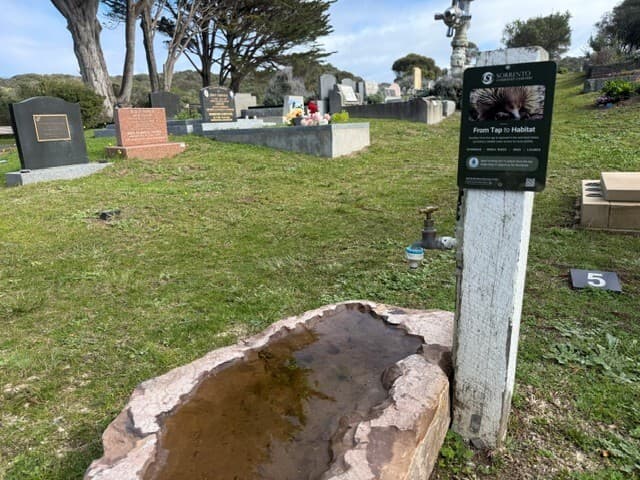
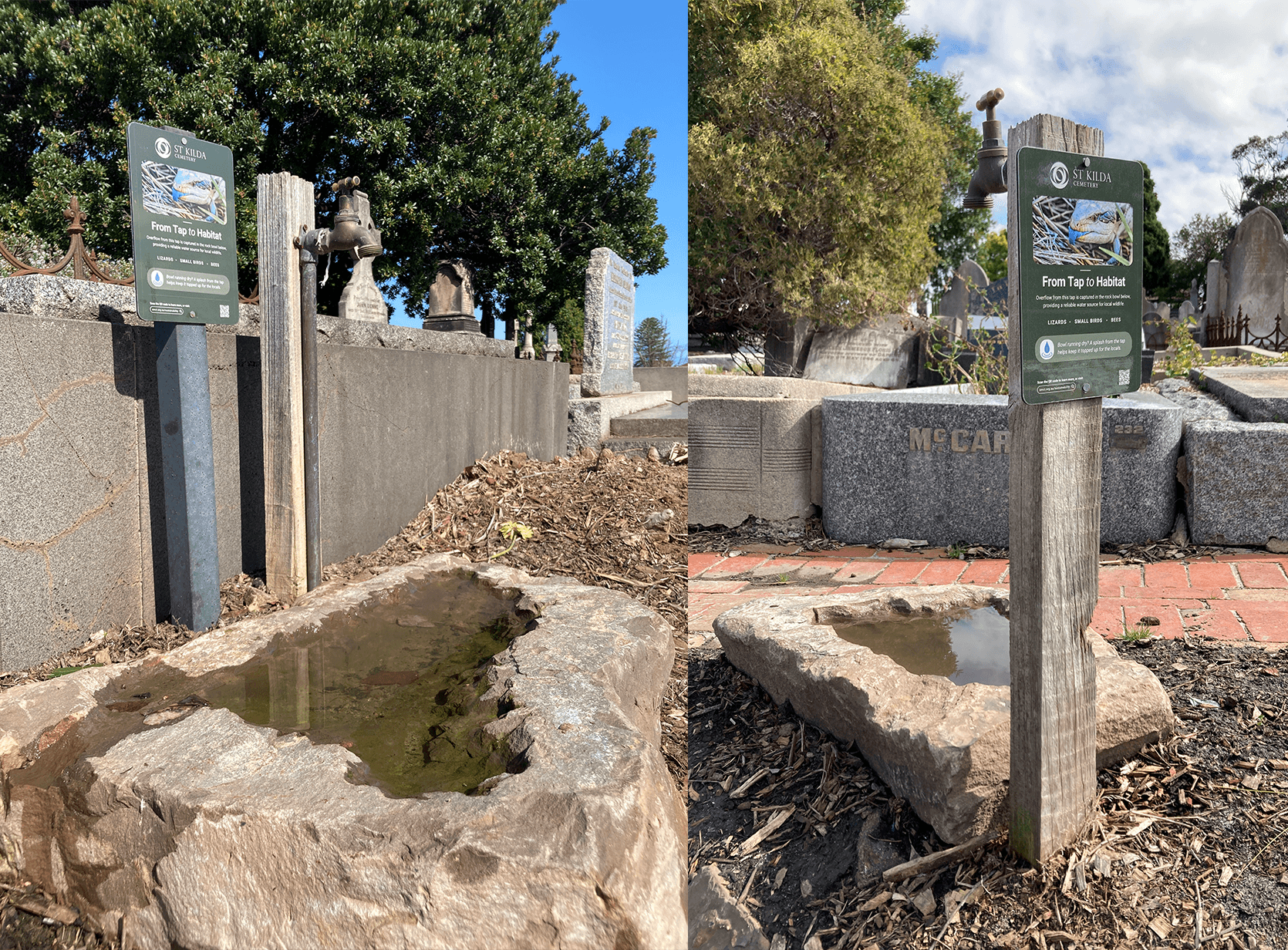
As part of a Tap to Habitat initiative, Southern Metropolitan Cemeteries Trust (SMCT) has installed natural stone water bowls at selected locations within St Kilda Cemetery (STK) and Sorrento Cemetery (SCC) and soon at Melbourne General Cemetery (MGC).
Positioned beneath existing taps, the bowls capture fresh water and provide a safe, reliable drinking source for local wildlife. During warmer weather, access to clean water can be critical for many species, and even a simple water source can make a meaningful difference.
The bowls have been carefully selected to blend into the landscape while providing easy access for a variety of animals. Their shallow design allows insects, birds, reptiles and small mammals to drink safely and comfortably.
Interpretive signage installed alongside the bowls helps visitors understand their purpose and highlights the important role that fresh water plays in supporting local biodiversity.
Building on habitat restoration
At MGC and STK, Tap to Habitat complements the ongoing work of Project Cultivate - a long-term regeneration initiative that has established hundreds of thousands of locally native (indigenous) plants throughout both sites.
These indigenous plantings provide food, shelter and nesting opportunities for wildlife while strengthening ecological connections across the landscape. The addition of water bowls is a natural extension of this work, supplying another essential resource for the creatures that live in, forage through, or visit these increasingly biodiverse environments.
Together, habitat plantings and reliable water sources help create healthier ecosystems that can support wildlife year-round.
If you fill it, they will come
Providing fresh, clean water is one of the most effective ways to attract and support wildlife.
The new water bowls are helping a remarkable range of fauna, including:
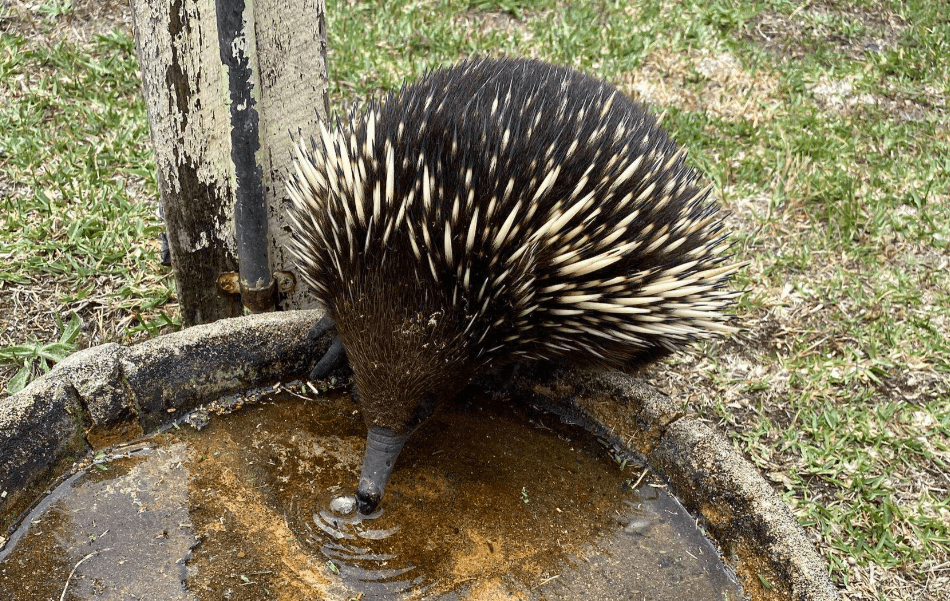
- Southern Brown Bandicoots and Short-beaked Echidnas at Sorrento Community Cemetery
- Blue-tongue Lizards, Yellow-tailed Black Cockatoos and a variety of woodland birds at Melbourne General Cemetery
- Tree Skinks at St Kilda Cemetery
- Native bees, butterflies and countless other insects across all three sites
These species, along with many others, benefit from access to clean water within landscapes that provide habitat, food and shelter.
Small changes, big benefits
Cemeteries can be important refuges for wildlife, providing mature trees, native vegetation and relatively undisturbed habitat within urban and coastal environments. Through initiatives such as Project Cultivate and Tap to Habitat, SMCT is enhancing these special places for both people and nature.
Whether it's a bandicoot searching for water after dusk, a blue-tongue lizard sheltering among indigenous plants, a black rock skink basking nearby, or native bees stopping for a drink, these simple stone bowls demonstrate how small habitat improvements can have a big impact.
As habitat gardeners often say: if you fill it, they will come.
Recommended
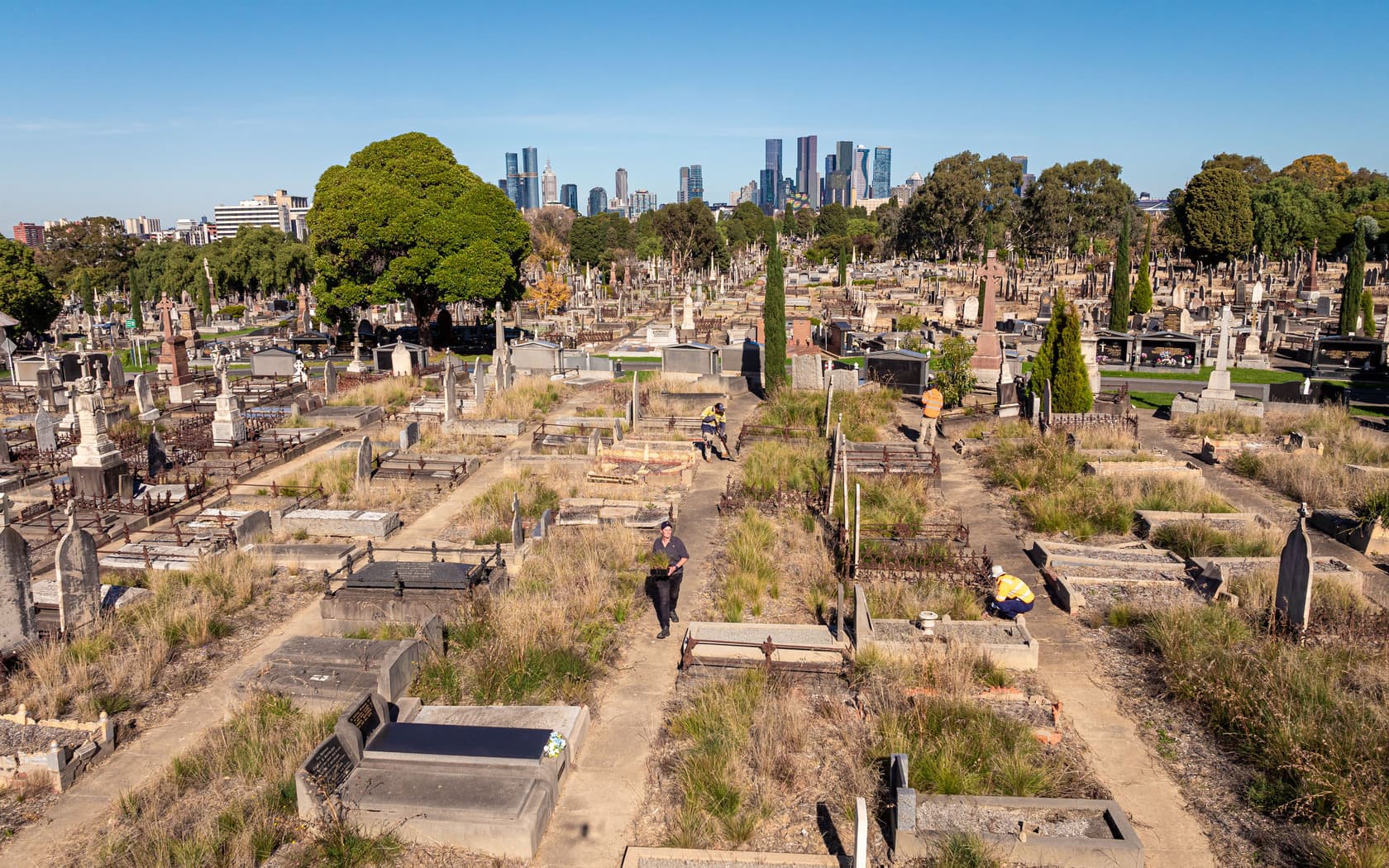
Melbourne General Cemetery
The first Victorian cemetery designed as a public park, known for its central location, notable interments, heritage-listed Gate House, and Prime Ministers’ Garden.
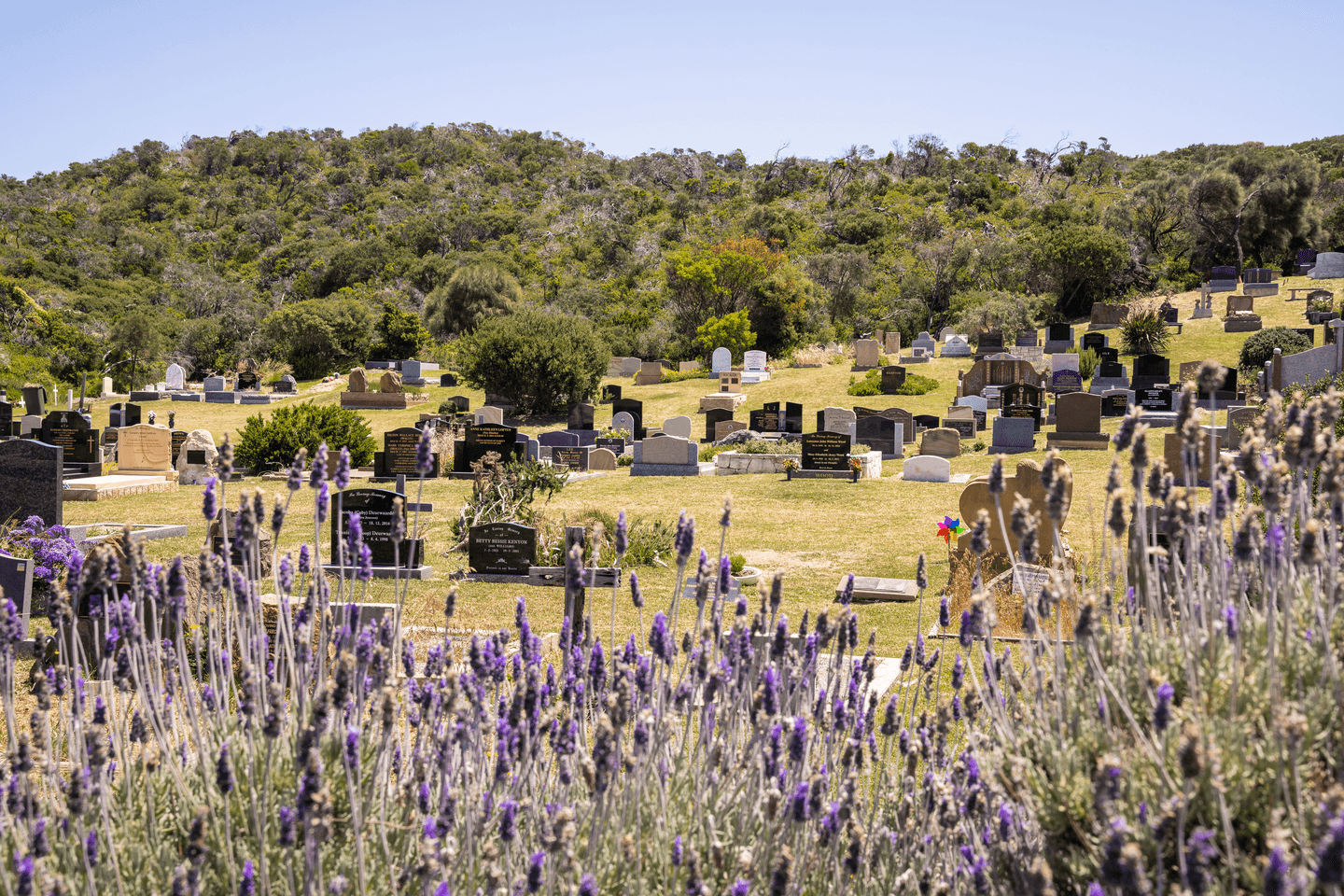
Sorrento Community Cemetery
Established around 1886, Sorrento Community Cemetery is a peaceful beachside space for families to honour their loved ones on the Mornington Peninsula.
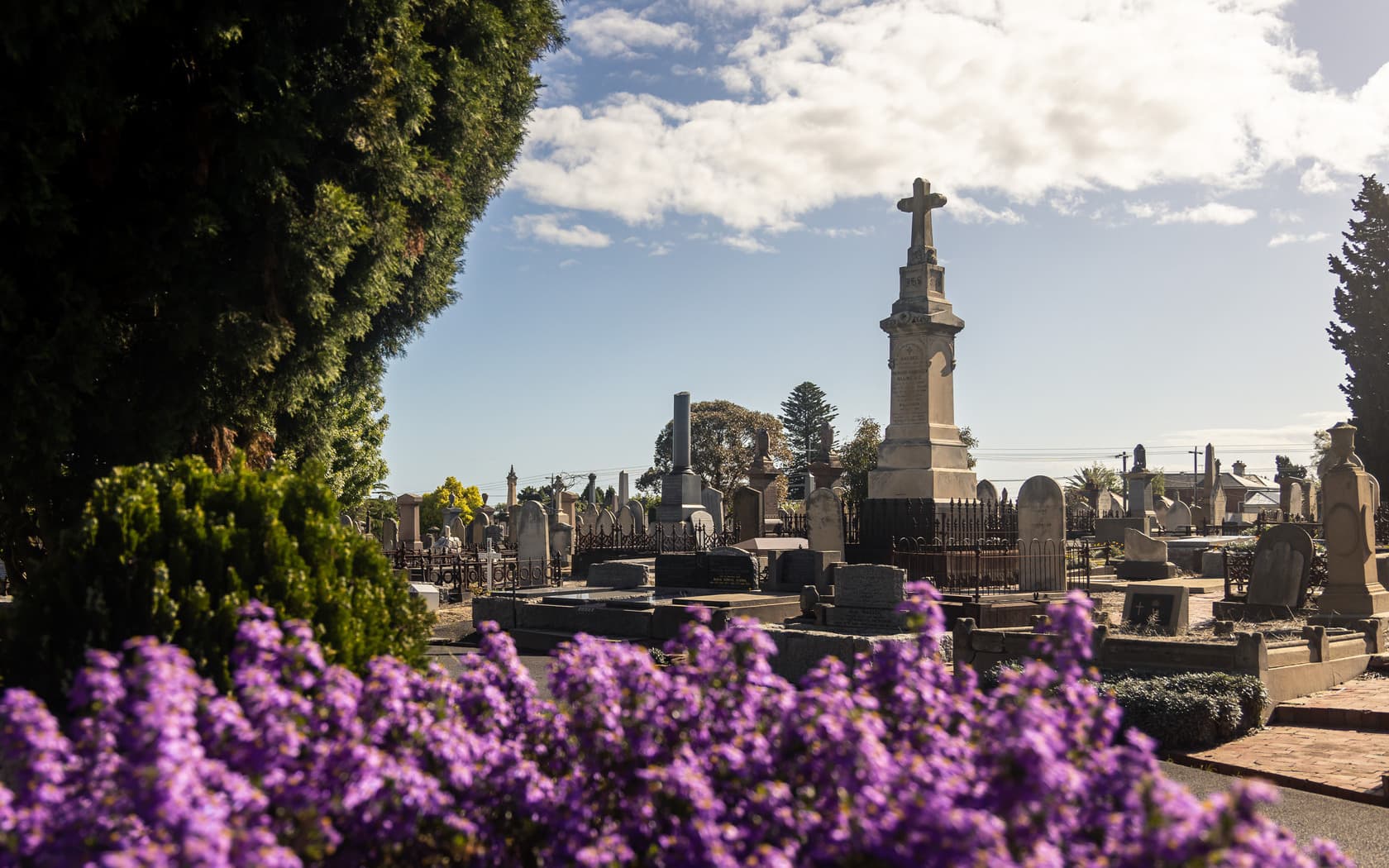
St Kilda Cemetery
Established in 1855, St Kilda Cemetery is known for notable interments and 18 acres of tranquil, landscaped gardens. A peaceful space for reflection in an iconic suburb.