How SMCT turned cemeteries into role models for environmental sustainability
- 4 June 2026
Cemeteries are sometimes viewed as static places, connected with silence, remembrance and observance. But behind our gates at Southern Metropolitan Cemeteries Trust (SMCT), a different environmental story is unfolding.
We see the landscapes of our 11 Victorian cemeteries and memorial parks as sites of both memory and life. They require ongoing care and stewardship, both for the people they honour and for the dynamic living environments they sustain.
Over the past three years, we have worked towards a deliberate long-term shift to embed environmental sustainability as a core organisational priority. We aim for our contribution to be part of a stronger focus on sustainability across the sector.
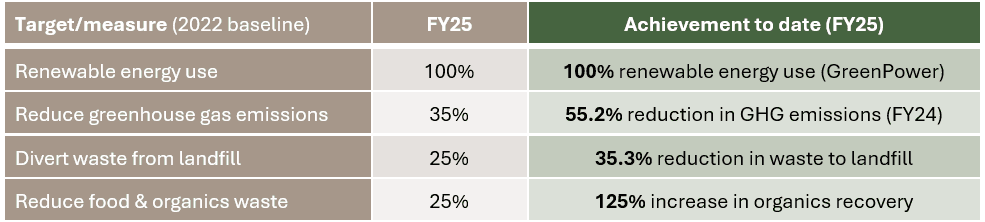
This shift is evident in SMCT’s operations, with independently verified results highlighting our progress over the three years of our inaugural Environmental Strategy:
- 55.2% reduction in greenhouse gas emissions (GHGs) against a target of 35%. This is 75% above our original target and significantly exceeds the Victorian Government’s 2025 targets.
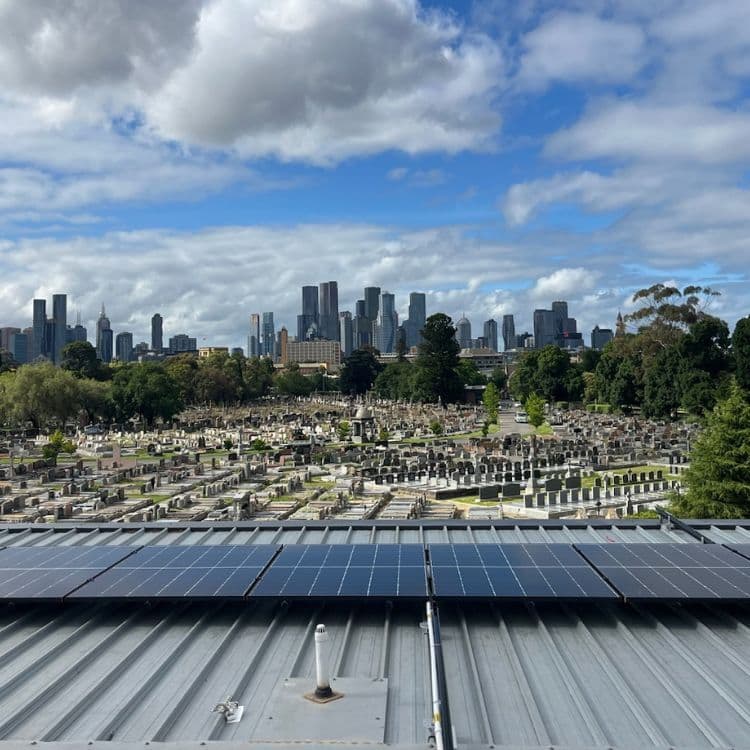
- 100% renewable electricity across all sites. Solar optimisation and certified green energy procurement were the drivers for a sixfold increase in five years.
- 35.3% reduction in waste to landfill, alongside a 125% increase in food and organics recovery.
Cemeteries have not always been recognised for their role in environmental sustainability, but that is beginning to change. They are unexpected and, to date, potentially underutilised green spaces for community, offering significant environmental potential, supporting biodiversity, strengthening resource recovery, and contributing to broader climate goals.
Behind the scenes for sustainability
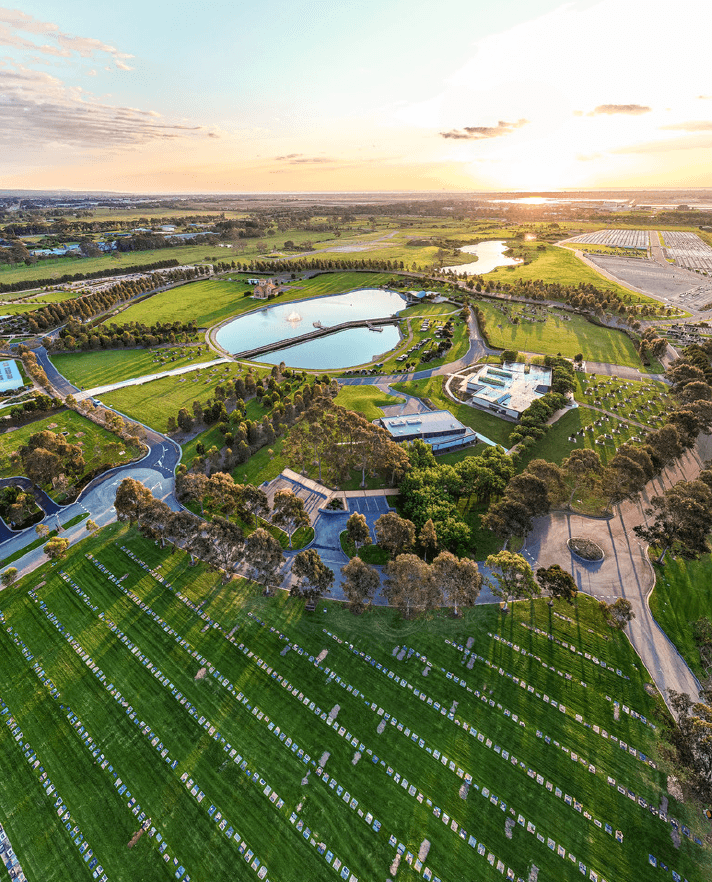
Spanning more than 370 hectares, our sites provide valuable open space and green areas for the communities they serve. They include remnant indigenous vegetation of state and national significance and provide shelter for threatened native species. More than 100 bird species have been observed across our sites, supported by habitats that include shrubs, grasslands, wetlands, woody meadows and over 21,000 trees.
It is this space, and the infrastructure needed to support families in their grief, that we care for in perpetuity for the Victorian community.
While SMCT had delivered environmental initiatives over the years, the introduction of our first Environmental Strategy in 2022 set a clear overarching direction for sustainability. Our targets were ambitious, and the results reflect a coordinated, organisation-wide effort.
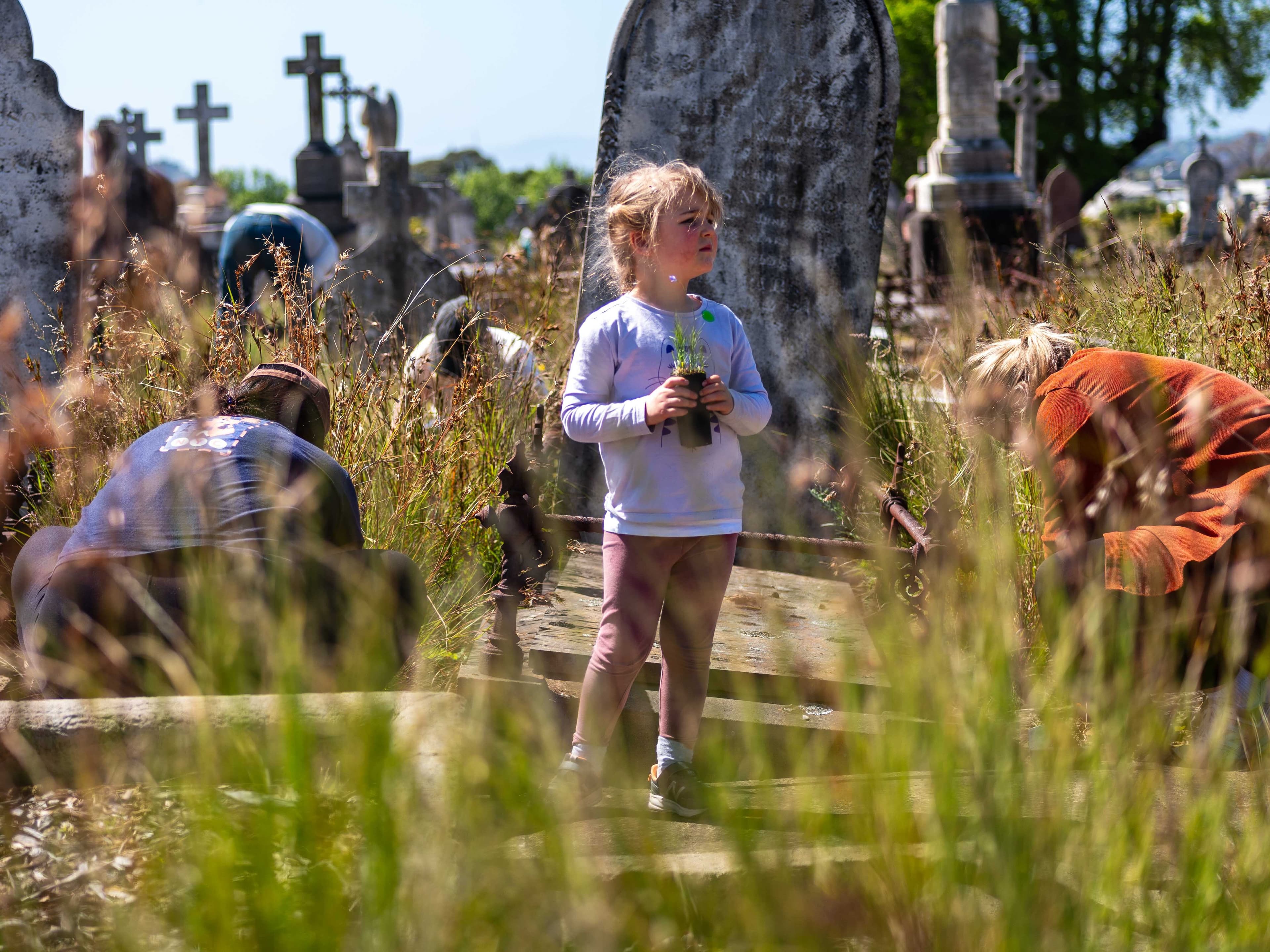
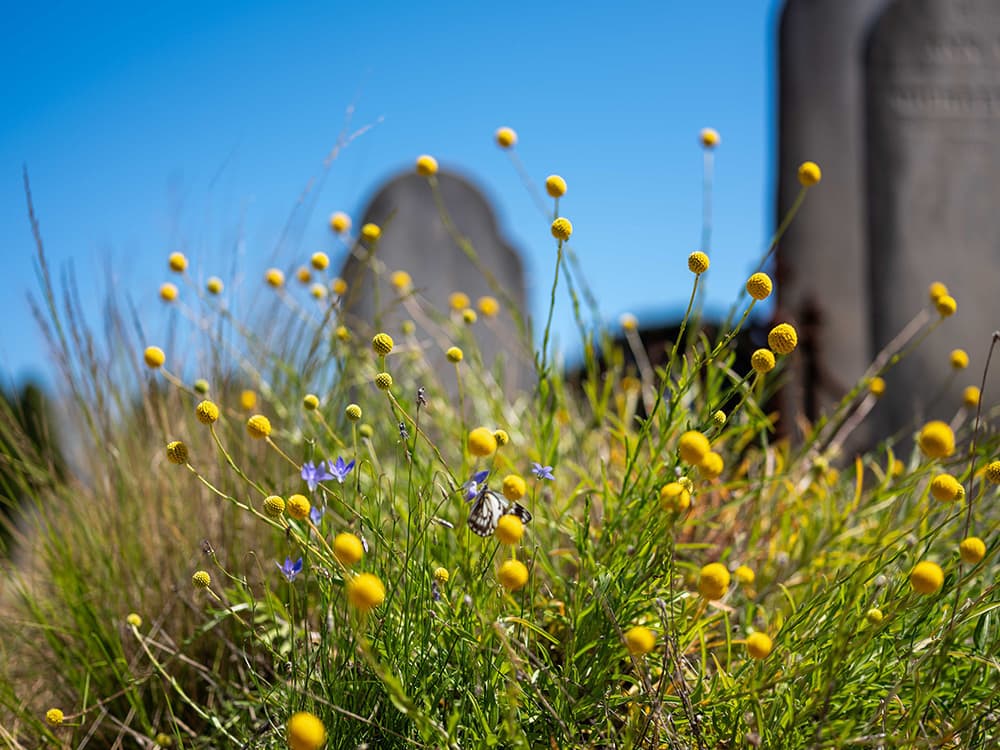
At one of Australia’s most historically significant cemeteries, previously unplanted spaces across more than 56% of the site were transformed into indigenous grassland, increasing biodiversity and virtually eliminating chemical weed control at Melbourne General Cemetery.
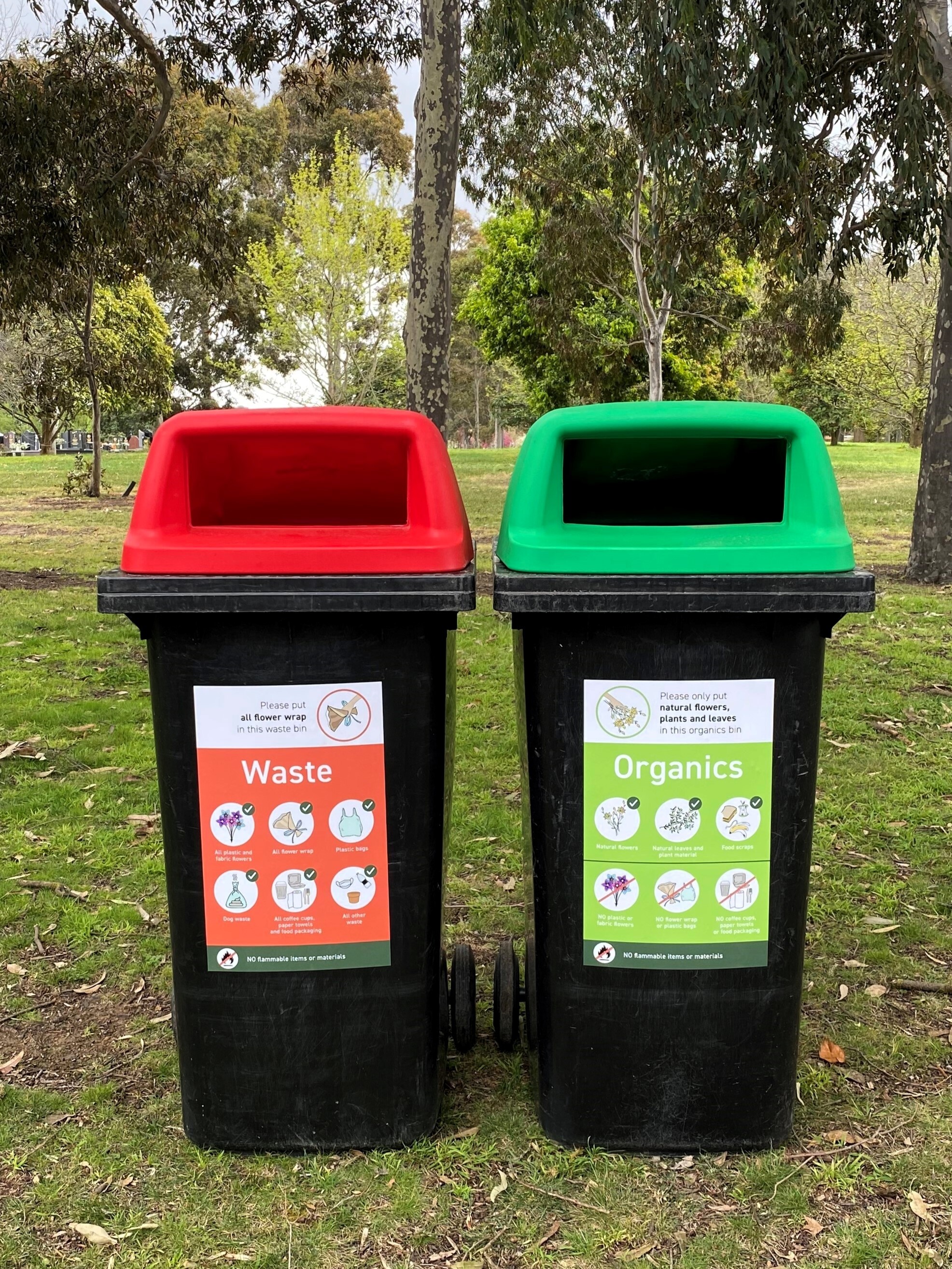
Our Environmental Management System helps us track impacts and identify challenges. We harvest stormwater for irrigation and introduced a range of pest reduction measures from companion planting to supporting beneficial insects. New bin infrastructure and expanded recycling streams have supported us in exceeding waste targets, while our public organics bins and signage – a Victorian cemetery first – are now being adopted by other Class A Trusts. Increased renewables procurement reduces our footprint and strengthens our social impact.
These actions, and so many more, reflect a practical, systems-based approach to environmental sustainability and cemetery management. Our work contributes to a broader shift in practice and sets a clear standard for others to follow.
Shared responsibility, green(er) spaces in perpetuity
Our sites are places of remembrance and also ecosystems that require ongoing care. Like all ecosystems, they face increasing pressures from climate change, development, and water scarcity. At the same time, there is a growing community expectation that organisations responsible for these places will contribute meaningfully to environmental outcomes.
This shift is taking place globally. In the UK, green burial grounds are expanding, and in the US, conservation cemeteries are offering wildlife corridors. In Europe, urban cemeteries are being redeveloped to become biodiversity hotspots. Within this context, the Australian sector is also evolving.
At SMCT, we are contributing to this shift, integrating environmental sustainability into how our sites are planned, managed, and maintained – knowing that sustainability in cemeteries goes well beyond the greenery.
Our Environmental Strategy 2026-30 builds on the progress to date, setting a new baseline with greater environmental targets and balancing the needs of climate, culture, continuity, and community.
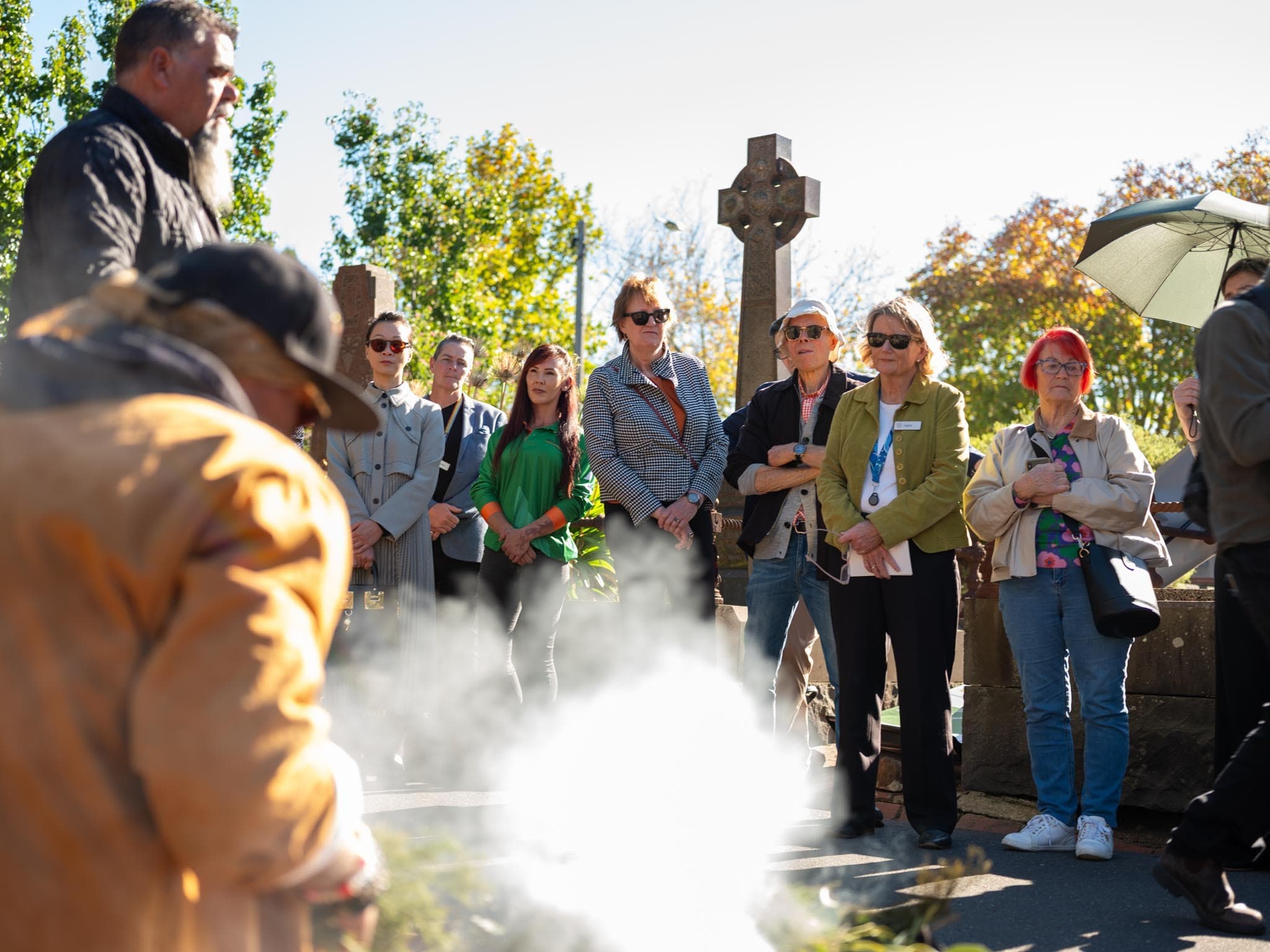
Our environmental achievements are shaped by a network of partnerships including industry, Traditional Custodians, local councils, and the communities who visit, volunteer, and engage with us.
Community engagement informed the development of our approach. We brought 118 participants together to review and generate more than 100 ideas – over half of which were integrated into the new five-year Strategy. This process helped ensure the Strategy reflects a range of perspectives that could be applied in practice.
It also helped us transition our initiatives from an inaugural strategy to ‘business as usual.’ This is how we operate at SMCT. Together.
What is next for SMCT’s environmental vision
The sites we care for have intrinsic value to community, and the potential to continue to drive and support a wealth of environmental outcomes.
By 2030, we aim to have diverted 80% of waste from landfill (up from our 35.3%). We want to cut GHGs by more than 50%, reduce potable water use by 20%, and continue sourcing 100% renewable electricity. By 2037, we’re aiming for a net gain in the overall extent and condition of natural habitats across SMCT’s sites.
We will keep being practical and grounded in our approach. We plan to:
- expand Project Cultivate to more historic sites;
- make our vehicle fleet electric where suitable;
- investigate hybrid and electric cremators as alternatives to natural gas; and
- implement a Biodiversity Strategy that includes a flora and fauna inventory, climate-ready plantings, and habitat support and creation.
We also aim to increase our recycling streams and use and procurement of sustainable, renewable, or recycled product alternatives.
These are ambitious targets. Environmental stewardship at this scale is collective. It reflects the contributions of many working together towards a common goal.
Working in partnership with Traditional Custodians, community, government, industry stakeholders, and other cemetery trusts, we are proud of what has been achieved – and where we are headed together.
A legacy of sustainable stewardship
Cemeteries and memorial parks are community spaces. SMCT’s sites belong to the communities we serve, and the people connected to these places shape our environmental work, reflecting a shared responsibility for their care.
At SMCT, we have shown that cemeteries can be centres for environmental sustainability when people come together with a shared commitment to explore what’s possible. The results: thriving, dynamic environments that the community can be proud of and share for generations.
We invite you to be part of this work, whether through collaboration, knowledge sharing, or participation in practical initiatives.
Read SMCT’s Environmental Strategy 2026–30, get involved in SMCT’s environmental activities, or contact the SMCT Environment Team.
Recommended articles
Project Cultivate celebrates St Kilda milestone
- 27 May 2026
Southern Metropolitan Cemeteries Trust marks a Project Cultivate milestone at St Kilda Cemetery, transitioning from months of mulching to the official start of planting.
Project Cultivate: Supporting a more sustainable cemetery
- 5 January 2026
SMCT is bringing Project Cultivate, to the City of Port Phillip, with the iconic St Kilda Cemetery soon to benefit from the introduction of locally native plants and wildflowers.
On-site recycling and waste management
We are committed to caring for the environment by taking responsibility for our actions and their impact on the planet.