Different types of funerals in Australia
There is no one-size-fits-all funeral. From traditional services to no-service cremations and celebrations of life, Australians have more choice than ever before. Whether you're planning ahead or arranging a funeral now, understanding the different options can help you make a more informed decision. At Southern Metropolitan Cemeteries Trust (SMCT), we see both, families deciding under pressure and people planning in advance, so here's what each main option actually involves.
Key takeaways:
- Funerals in Australia can take several forms, from a traditional religious service to a simple cremation with no ceremony at all.
- If you're planning ahead for yourself, recording which type you'd prefer in MyLifebook means your family isn't left guessing later.
- Burial, cremation and memorial arrangements each come with their own considerations, and SMCT's location fees page has the current details for each of our cemeteries.
What are the main types of funerals in Australia?
Most funerals in Australia fall into a handful of broad categories: traditional or religious services, non-religious and cultural ceremonies, cremation without a service, natural burial, and memorial services held after the fact. Whether you're arranging one for someone else or deciding what you'd want for yourself, none of these is more "correct" than another.
Cremation has become the more common outcome nationally, with research commissioned by the Australian Funeral Directors Association through McCrindleExternal site finding that around two-thirds of Australians now prefer it to burial. That still leaves a large number of people choosing burial, for cultural, religious or personal reasons.
Traditional and religious funeral services
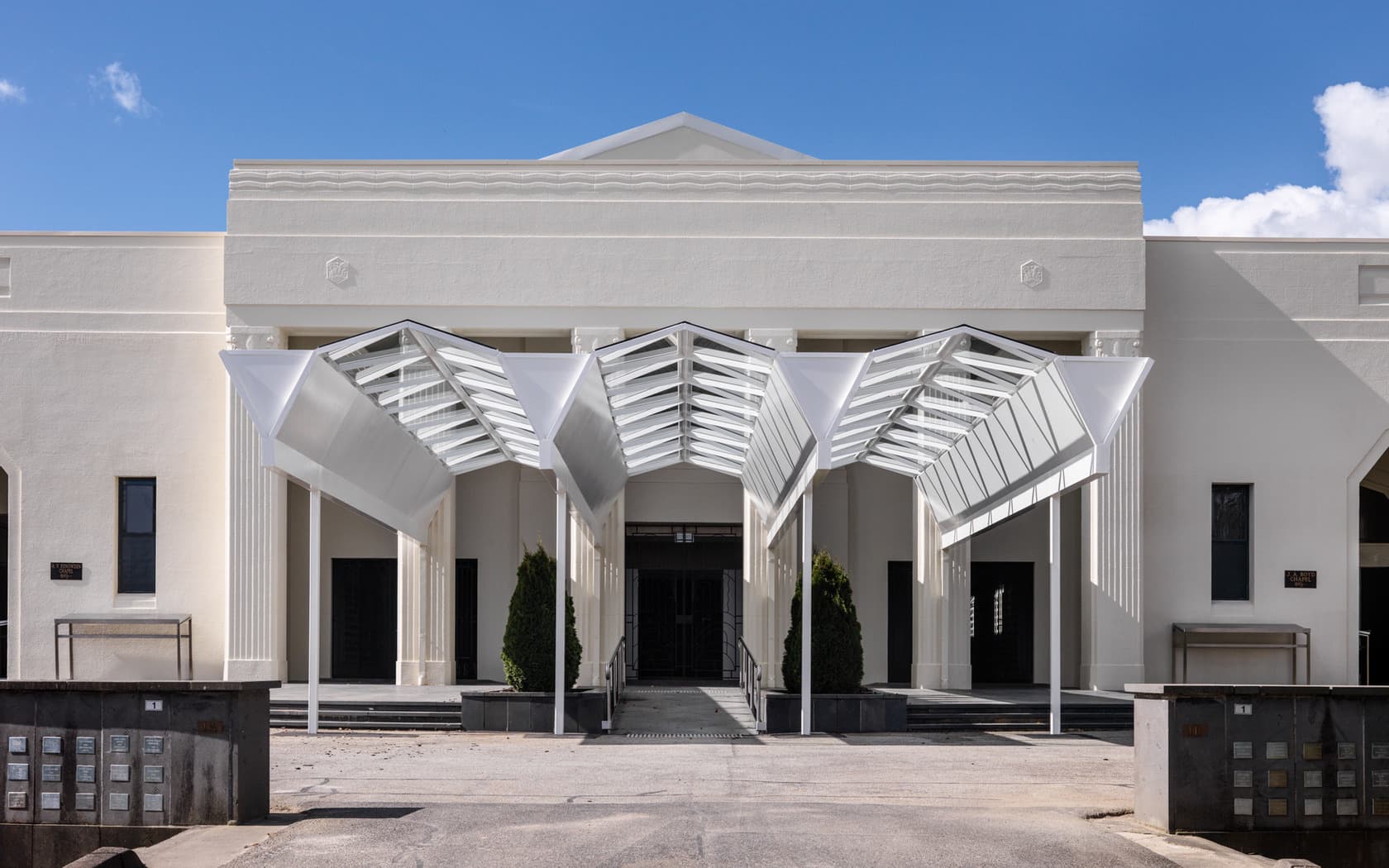
A traditional funeral usually follows a familiar shape: a service with a eulogy, readings, and music, followed by burial or cremation. Where the person followed a particular faith, that service includes the specific readings, prayers and rituals of that religion.
These services are often held in a chapel or memorial area before the burial or cremation itself takes place. If this is the option you'd choose for yourself, it's worth noting in MyLifebook alongside your preferred memorial option so your family has a clear starting point rather than a guess.
Non-religious and cultural funeral services
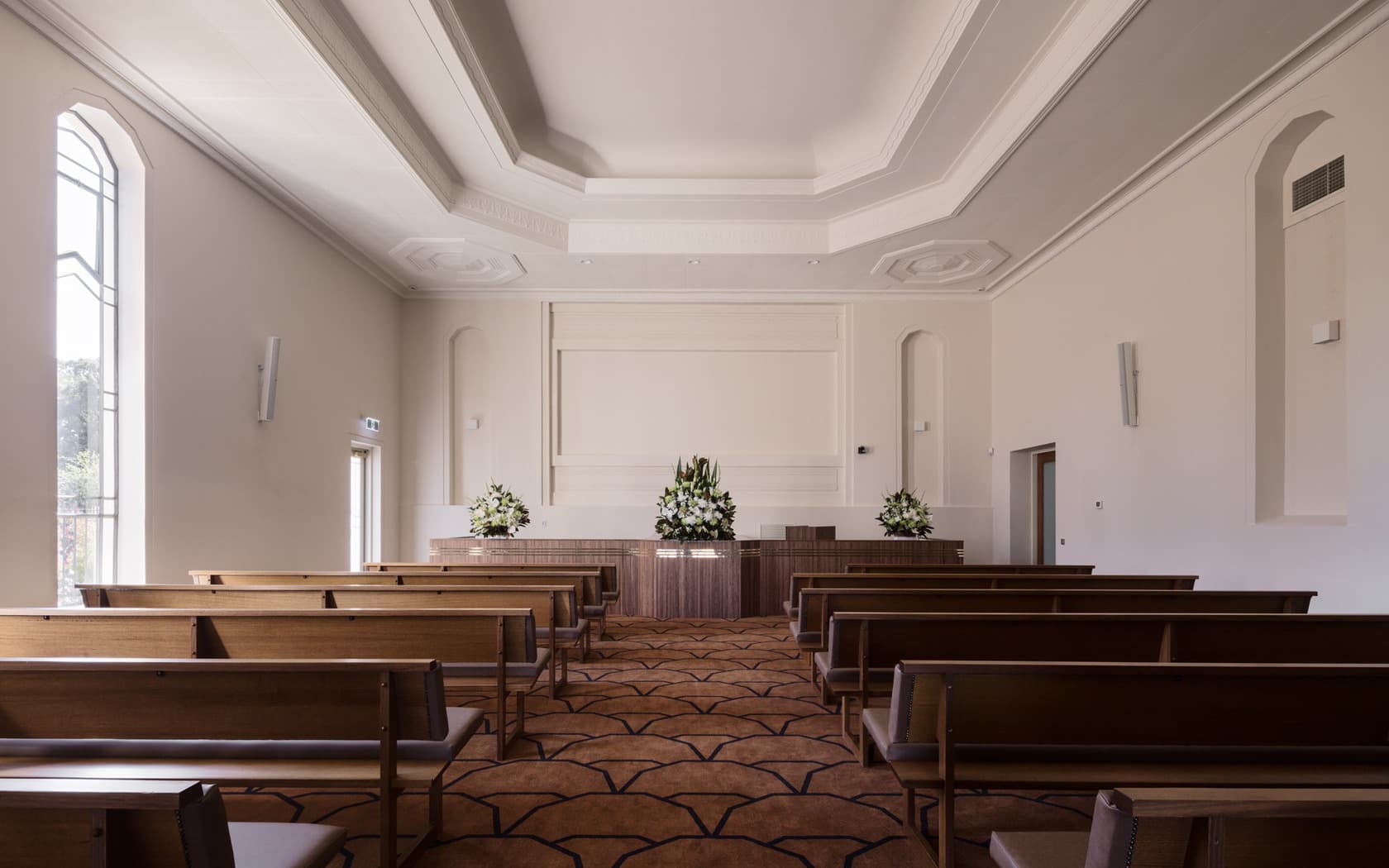
Not everyone wants a religious service, and that's increasingly common. A civil or humanist-style service keeps the same basic structure, a eulogy, readings, music, but without religious content, shaped instead around a person's actual life, values, passions and personality.
Funeral traditions can also be influenced by culture, heritage and family customs. Across Melbourne's diverse communities, services may include specific rituals, languages, music, dress, food or ceremonial practices that reflect a person's background and beliefs.
Many families choose to work with a religious leader, celebrant or funeral director to create a service that feels personal and meaningful, while others prefer a non-religious approach focused on celebrating a life lived. We've seen funeral services featuring sporting tributes, favourite hobbies and personal collections. Guests might be invited to wear bright colours instead of black, or arrive dressed in their loved one's football team colours as a final show of support and connection.
Whether your wishes are guided by culture, faith, family traditions or personal preferences, documenting them in advance can provide clarity and reassurance for those arranging your funeral. It removes guesswork at an already difficult time and helps ensure the service feels authentic to the life being remembered.
Direct cremation or cremation without a funeral service
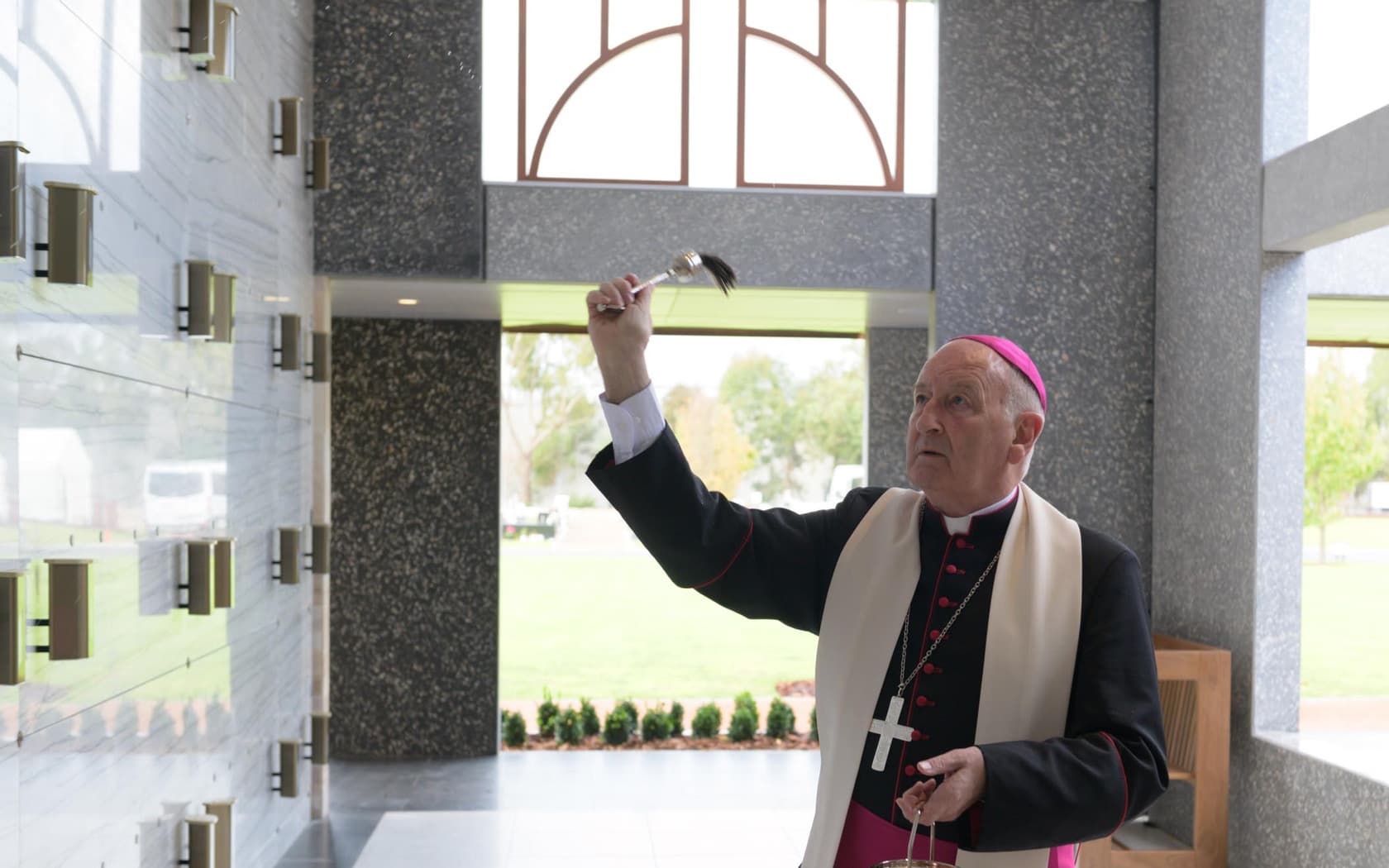
A direct cremation is a cremation that takes place without a formal funeral service beforehand. Families may choose this option for its simplicity, cost considerations or flexibility, while still planning a memorial or celebration of life at another time.
Choosing a cremation without a service does not mean there cannot be a meaningful goodbye. Some families choose to spend private time together before the cremation, while others gather later when family and friends can attend. For those who wish to be present, SMCT also offers cremation witness viewing rooms, providing an opportunity to observe the cremation process in a private and respectful setting.
If this is the option you're considering, either for yourself or a loved one, our location fees page includes current pricing for cremation without chapel. You can also learn more about what happens on the day through our cremation process guide and explore what can be done with ashes afterwards, including interment, scattering, keeping ashes at home or selecting a memorial urn, in our ideas for ashes guide.
Natural burial as a lower-impact option
Natural burial is growing in popularity among people who want a simpler return to the earth. It typically involves minimal intervention, avoiding embalming where possible and using biodegradable coffins or shrouds that can naturally decompose over time.
At SMCT, natural burial sits alongside other burial options such as lawn graves, monumental graves and mausoleum crypts. Unlike traditional monumental graves, natural burial areas are designed to blend with the surrounding landscape, creating a place of remembrance that supports the natural environment while still providing families with a dedicated location to visit and reflect.
Natural burial may appeal to people who value sustainability, simplicity or a strong connection to nature. If this option interests you, it's worth exploring Murrun Naroon at Bunurong Memorial Park before making a decision. Like all burial choices, natural burial can be planned in advance, giving you confidence that your wishes will be understood and respected.

Memorial services held after burial or cremation
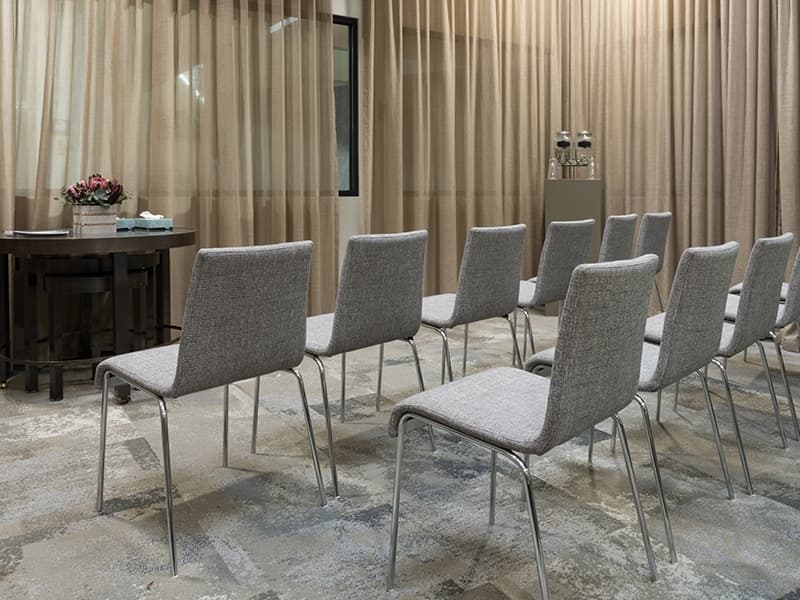
A memorial service takes place after a burial or cremation rather than before it. For some families, this provides greater flexibility, allowing time to bring together relatives and friends, accommodate travel arrangements, or plan a farewell without the pressure of making decisions within a few days of a death.
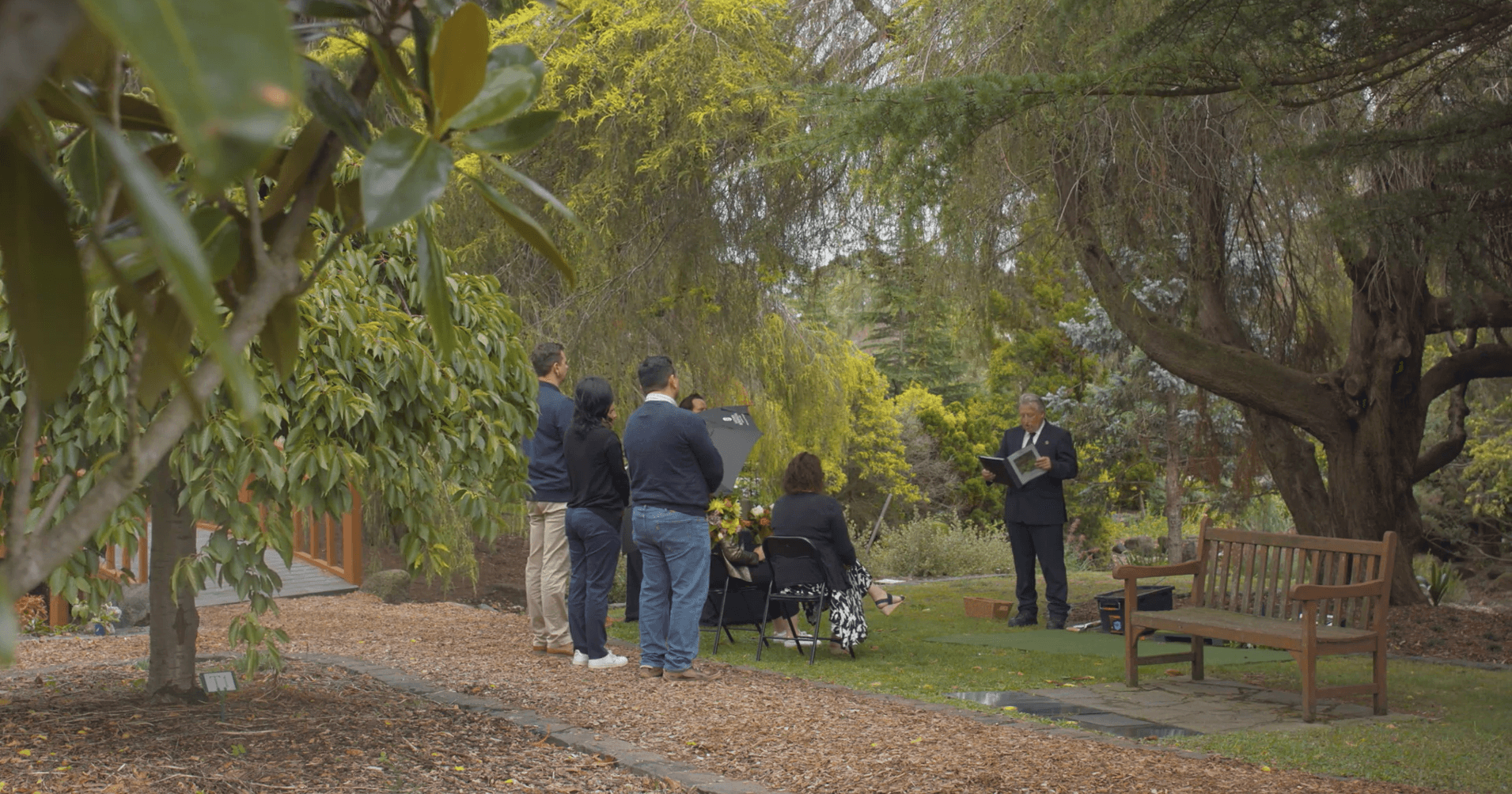
At SMCT, families can choose from a range of chapels and function spaces in Springvale and Dandenong South for a memorial service. Some families also choose an Honouring Life Service, which allows family and friends to gather for a memorial service when their loved one's ashes are placed in their final resting place. The service can accompany the scattering or interment of ashes in one of SMCT's landscaped memorial gardens or within a grave, creating a dedicated moment of remembrance and reflection.
For those who'd like a permanent place to return to afterward, SMCT's scatter gardens, including the Garden of No Distant Place at Springvale Botanical Cemetery and Four Winds at Bunurong Memorial Park, provide a dedicated place of remembrance.
Funeral livestreams for family and friends who can't attend
Not everyone who wants to attend a funeral can be there in person. Distance, health, work commitments or short notice can make travel difficult, particularly when family and friends are spread across Australia or overseas.
A funeral livestream allows loved ones to watch and participate in the service remotely, either in real time or through a recording afterward. For many families, this has become an important way to include people who may otherwise miss the opportunity to say goodbye.
SMCT offers funeral livestreaming across its chapels and reflection spaces, helping families connect with relatives and friends wherever they are. If having a funeral livestream is important to you, it's worth including in your funeral planning so your family knows this is something you'd like arranged.
What does a funeral actually cost?
Cost is one of the first questions most people ask, whether they're arranging a service now or planning ahead for their own. What you pay depends on the type of service, the plot or cremation option chosen, and the cemetery itself, so a single headline figure rarely tells the full story. Rather than guess, our location fees page lists the current price for each of our cemeteries, so you're working from accurate numbers rather than an average that may not apply to your situation.
There's no single right way to hold a funeral in Australia, only the way that fits the person being farewelled, whether that decision is made by a grieving family or recorded years in advance by the person themselves.
If you're ready to start putting your own wishes on paper, MyLifebookExternal site is where to begin, or to talk through options, you can book an appointmentExternal site External sitewith our team.
Frequently asked questions
Recommended articles

Can you have a memorial plaque without ashes?
A memorial plaque does not always require ashes to be present. Many families choose a memorial plaque as a permanent place to visit.
What affects the cost of a burial plot in Melbourne?
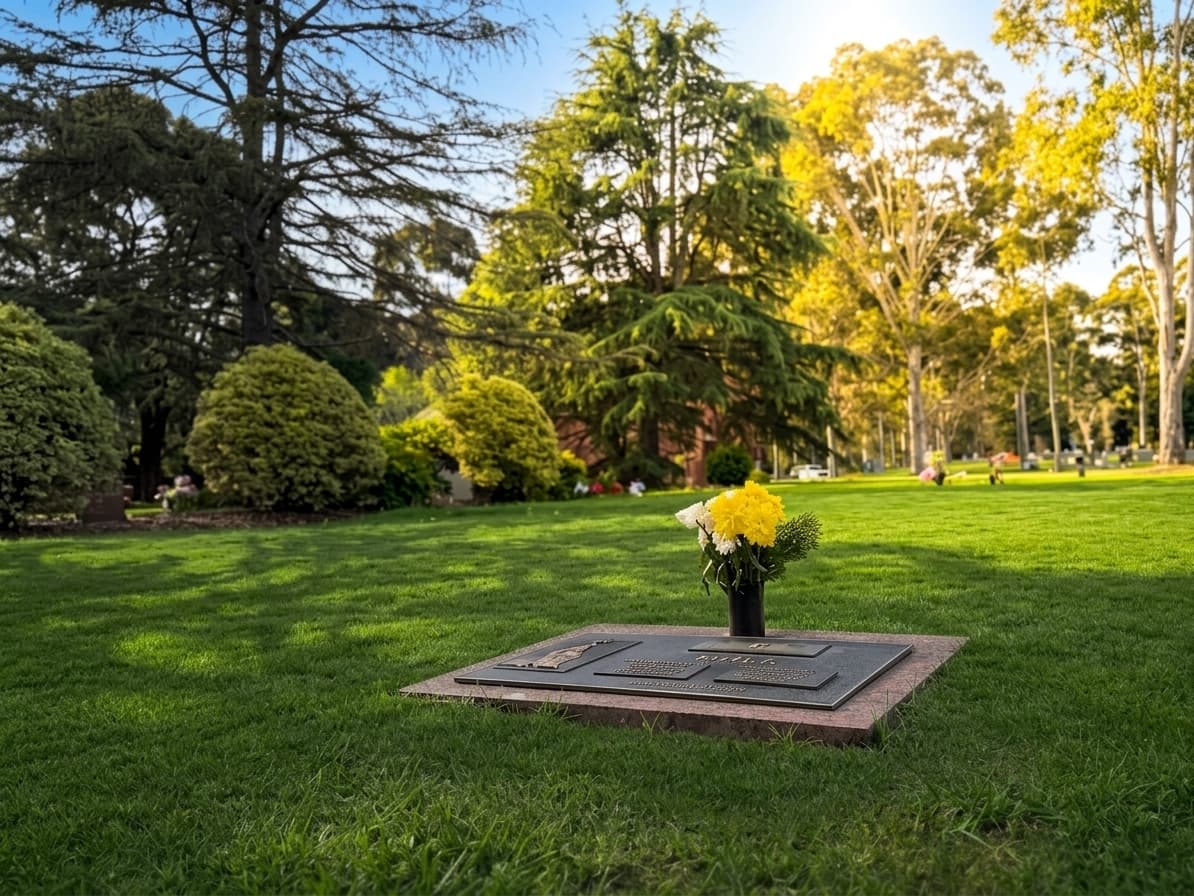
Burial plot costs vary widely depending on location and cemetery. Here's what drives the price, and how to find the real figure for yours.

How to pre-plan and prepay for your funeral in Victoria
Prepaid funeral plans and buying a cemetery plot in advance are different products. Here's what funeral pre planning with SMCT involves, and how to start.